




I told our travel consultant (Martin) that if this trip executed as well as it planned, GoRealEurope would have my recommendation and it DOES. Six of us recently returned from a vacation to Prague, Cesky Krumlov, Salzburg, Vienna, and Budapest. We very impressed with all that GoRealEurope did to help the vacation go smoothly. What I would MOST recommend are the 1/2 day private guided tours in each city, given by a local but arranged by GoRealEurope. All shuttles, taxis, and guides arrived as scheduled. Hotels were conveniently located and clean. Train travel and public transportation were thoroughly explained. We did have to contact Martin about an event and he responded to our concern promptly. All in all, a great travel experience. Thanks, GoRealEurope!

This website uses ‘cookies’ to give you the best, most relevant experience. By using this website, you consent to our Privacy Policy
Perfect Whirlwind Itinerary to Prague, Salzburg, Vienna & Budapest
 10 Day Tour of Prague, Salzburg, Vienna and Budapest
Overview
Trip Map
Itinerary
Inclusions
Reviews ★4.9


How Long Is the Imperial Capitals & Salzburg Trip and What Does It Cost?
 Duration10 days / 9 nights
- Best timeJan-Dec
 From$2249 / person (Flights not included)
- Stroll the Charles Bridge at dawn to witness Prague's magical, ethereal beauty.
- Whether Mozart or The Sound of Music, Salzburg's music pleases as many people as its mountains.
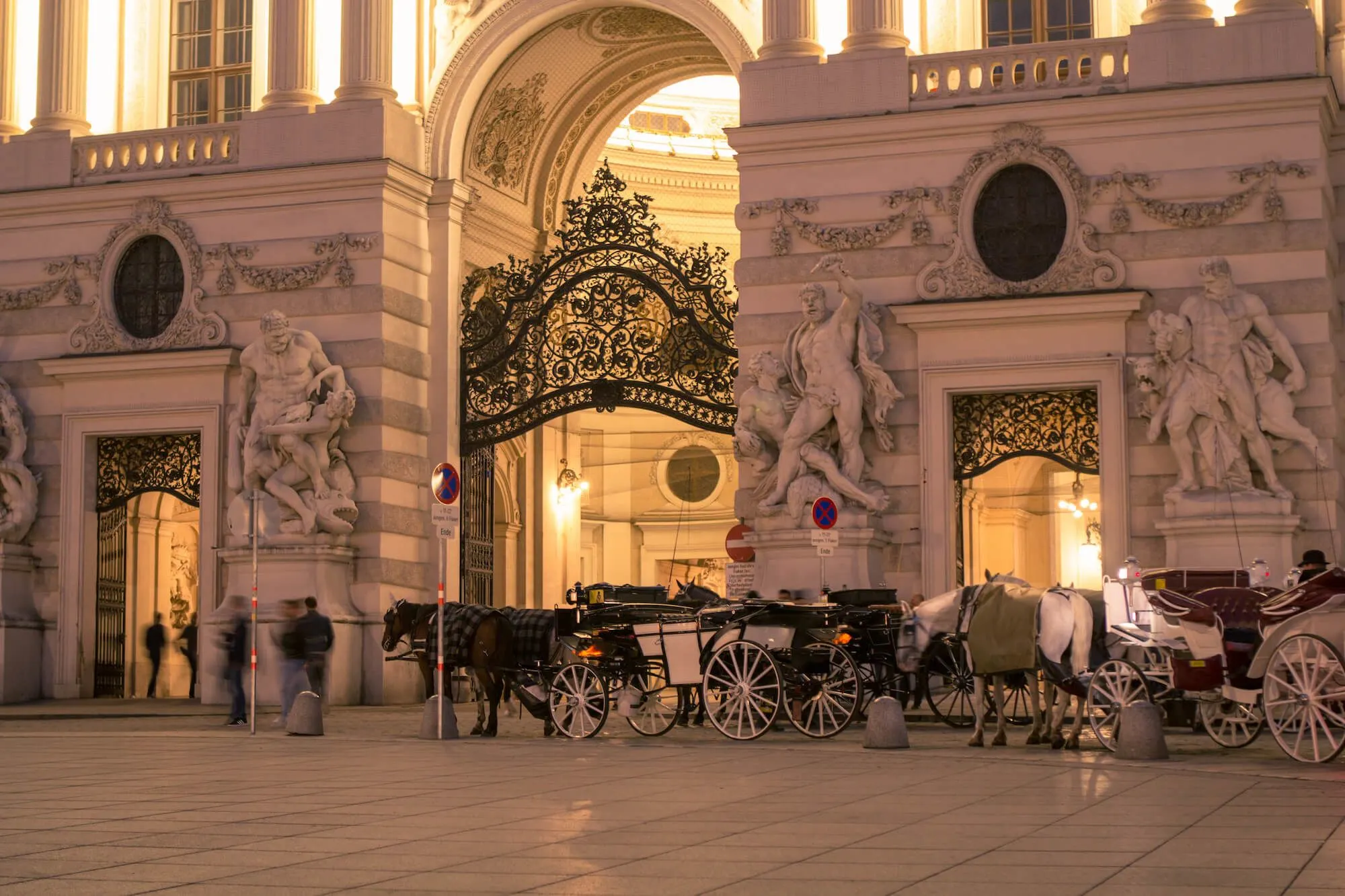
- Savor the imperial elegance of the Hofburg Palace... and a Viennese coffee.
- Take a private guided tour to the lovely Klosterneuburg Monastery and enjoy a glass of local wine.
- "Spa" yourself at Budapest's famous Szechenyi baths. To relax is your final adventure.
- Stroll the Charles Bridge at dawn to witness Prague's magical, ethereal beauty.
- Whether Mozart or The Sound of Music, Salzburg's music pleases as many people as its mountains.
- Savor the imperial elegance of the Hofburg Palace... and a Viennese coffee.
- Take a private guided tour to the lovely Klosterneuburg Monastery and enjoy a glass of local wine.
- "Spa" yourself at Budapest's famous Szechenyi baths. To relax is your final adventure.




Must see sights
Starting from
$2249
per person
 Not included
 Price varies by group size, hotel selection, and travel season.
Secure Your Customizable Trip
Enter your details to embark on a journey that can be tailored just for you.
Start
Travelers
Preferred Hotel Stars

Craft Your Own Itinerary
Select your interests and destinations for a trip plan inspired by you.
Where Does the Imperial Capitals & Salzburg Trip Go?
| ← | Move left |
| → | Move right |
| ↑ | Move up |
| ↓ | Move down |
| + | Zoom in |
| - | Zoom out |
| Home | Jump left by 75% |
| End | Jump right by 75% |
| Page Up | Jump up by 75% |
| Page Down | Jump down by 75% |


Click To Make Map Interactive
Imperial Capitals & Salzburg Trip Timeline
Arrival
2 nights
Prague
Czech Republic
Train: 4h
Train: 1.5h
2 nights
Salzburg
Austria
Train: 2.5h
2 nights
Vienna
Austria
Train: 3h
3 nights
Budapest
Hungary
Departure
What Does the Imperial Capitals & Salzburg Trip Itinerary Look Like?
Day 1
Arrive Prague

Day 1
Arrive Prague


Afternoon/Late Afternoon
New Town
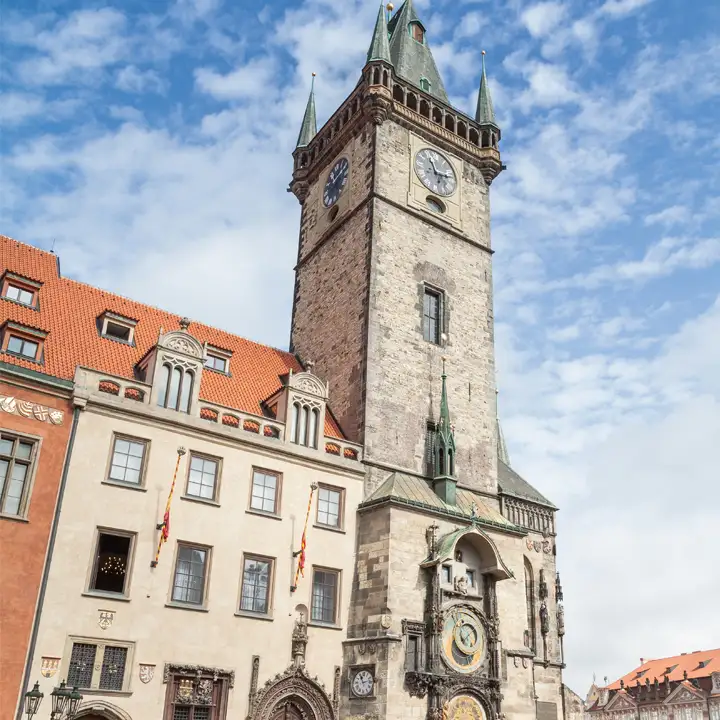
Despite being 700 years old, the New Town (Nové Město) is the youngest of the original five independent towns that made up Medieval Prague. The heart of New Town is one of the three original markets around which the town was planned, Wenceslas Square. Not fully given over to tourism like the Old Town, the New Town combines a historic atmosphere with the daily commercial and social life of locals, making it a great place to get a taste of the real Prague.

Stroll down the river to find this curvaceous office block designed by Frank Gehry, and whi msically nicknamed Fred & Ginger.
Show More
Experience nationally-sponsored ballet & opera in a magnificent venue.
Show More
Explore an interesting museum collection in a grand building completed in 1891.
Show More


Experience a mishmash of interesting architecture on Wenceslas Square, Prague's main commercial center.
Show More
Tour a breathtaking art nouveau venue and stay for a concert, opera, or ballet.
Show MoreStroll down the river to find this curvaceous office block designed by Frank Gehry, and whi msically nicknamed Fred & Ginger.
Show MoreExperience nationally-sponsored ballet & opera in a magnificent venue.
Show MoreExplore an interesting museum collection in a grand building completed in 1891.
Show MoreExperience a mishmash of interesting architecture on Wenceslas Square, Prague's main commercial center.
Show MoreTour a breathtaking art nouveau venue and stay for a concert, opera, or ballet.
Show MoreDay 1
Arrive Prague

Day 1
Arrive Prague
To Be Determined:
Airport Transfer
Mid-Day/Afternoon:
Old Town
Afternoon/Late Afternoon:
New Town
Late Afternoon/Early Evening:
The Little Quarter
Dancing House
 Highlight of New Town
Stroll down the river to find this curvaceous office block designed by Frank Gehry, and whi msically nicknamed Fred & Ginger.
There is no tour of the interior, so most visitors just snap a photo and head out. However, there is a restaurant and bar at the top called Ginger&Fred. For a spectacular view of the city check out the terrace on the top floor (only for paying customers).
National Theater
Highlight of New TownExperience nationally-sponsored ballet & opera in a magnificent venue.
This concert hall is Prague's most prestigious, and it is not only a symbol of the 19th century Czech national revival but also arguably one of the most beautiful concert venues in Europe. Unfortunately, tours are not regularly offered, but you may attend an opera or ballet if you purchase tickets in advance. The riverfront near the concert hall is one of the most photographed spots in Prague.
National Museum
Highlight of New TownExplore an interesting museum collection in a grand building completed in 1891.
The recently renovated and improved National Museum is fronted by the iconic equestrian statue of "good king Wenceslas". Beyond it's dramatic exterior you'll find a grand staircase which is a highlight of any visit. Founded in 1818, the museum played a major role in bringing natural science and history to the common man, and also played an important part in the Czech national revival occurring in the 19th century.
New Town
OverviewNew Town
Despite being 700 years old, the New Town (Nové Město) is the youngest of the original five independent towns that made up Medieval Prague. The heart of New Town is one of the three original markets around which the town was planned, Wenceslas Square. Not fully given over to tourism like the Old Town, the New Town combines a historic atmosphere with the daily commercial and social life of locals, making it a great place to get a taste of the real Prague.
Wenceslas Square
Highlight of New TownExperience a mishmash of interesting architecture on Wenceslas Square, Prague's main commercial center.
The square, which could also be described as a wide boulevard, is named after the Patron Saint of Bohemia, whose statue can be seen at the top of the square. Many historical events have taken place here, including the demonstrations of the Velvet Revolution in 1989, which resulted in the collapse of the Communist regime. Today the square is lined by department stores, hotels, and office buildings, many of them notable architectural highlights of the 19th, 20th, and 21st century.
Municipal House
Highlight of New TownTour a breathtaking art nouveau venue and stay for a concert, opera, or ballet.
The stunning concert hall is open for tours and hosts performances on most evenings. The main hall is painted by famous Czech artists including Alfons Mucha. A beautiful cafe and restaurant are also housed in the building, and you can find one of Prague's most ornate pubs in the cellar (the "American Bar").
Dancing House
Highlight of New TownStroll down the river to find this curvaceous office block designed by Frank Gehry, and whi msically nicknamed Fred & Ginger.
There is no tour of the interior, so most visitors just snap a photo and head out. However, there is a restaurant and bar at the top called Ginger&Fred. For a spectacular view of the city check out the terrace on the top floor (only for paying customers).
National Theater
Highlight of New TownExperience nationally-sponsored ballet & opera in a magnificent venue.
This concert hall is Prague's most prestigious, and it is not only a symbol of the 19th century Czech national revival but also arguably one of the most beautiful concert venues in Europe. Unfortunately, tours are not regularly offered, but you may attend an opera or ballet if you purchase tickets in advance. The riverfront near the concert hall is one of the most photographed spots in Prague.
National Museum
Highlight of New TownExplore an interesting museum collection in a grand building completed in 1891.
The recently renovated and improved National Museum is fronted by the iconic equestrian statue of "good king Wenceslas". Beyond it's dramatic exterior you'll find a grand staircase which is a highlight of any visit. Founded in 1818, the museum played a major role in bringing natural science and history to the common man, and also played an important part in the Czech national revival occurring in the 19th century.
New Town
OverviewNew Town
Despite being 700 years old, the New Town (Nové Město) is the youngest of the original five independent towns that made up Medieval Prague. The heart of New Town is one of the three original markets around which the town was planned, Wenceslas Square. Not fully given over to tourism like the Old Town, the New Town combines a historic atmosphere with the daily commercial and social life of locals, making it a great place to get a taste of the real Prague.
Wenceslas Square
Highlight of New TownExperience a mishmash of interesting architecture on Wenceslas Square, Prague's main commercial center.
The square, which could also be described as a wide boulevard, is named after the Patron Saint of Bohemia, whose statue can be seen at the top of the square. Many historical events have taken place here, including the demonstrations of the Velvet Revolution in 1989, which resulted in the collapse of the Communist regime. Today the square is lined by department stores, hotels, and office buildings, many of them notable architectural highlights of the 19th, 20th, and 21st century.
Municipal House
Highlight of New TownTour a breathtaking art nouveau venue and stay for a concert, opera, or ballet.
The stunning concert hall is open for tours and hosts performances on most evenings. The main hall is painted by famous Czech artists including Alfons Mucha. A beautiful cafe and restaurant are also housed in the building, and you can find one of Prague's most ornate pubs in the cellar (the "American Bar").
Day 2
Prague
Day 2
Prague


9:00 AM - 12:30 PM
Royal Route Guided Tour
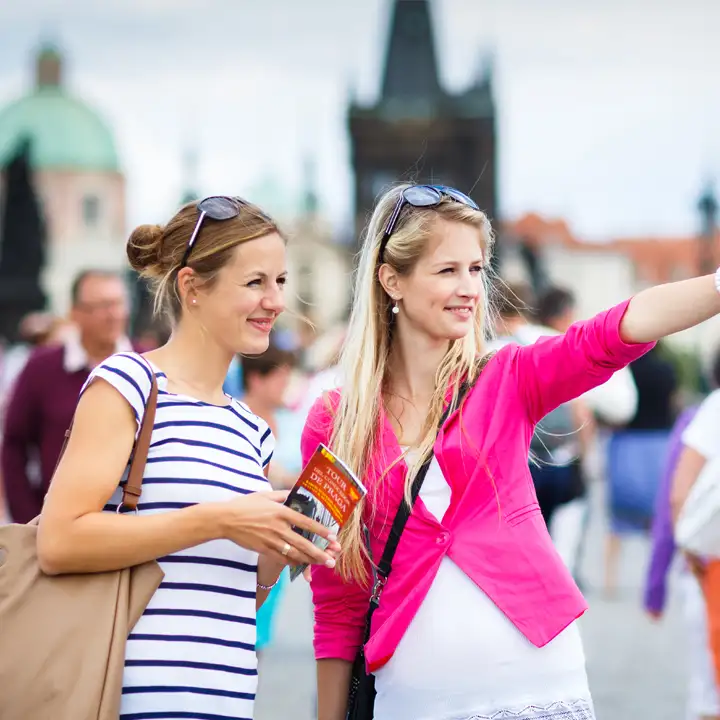
On this charming guided walk, you will explore the Prague Castle, the largest castle complex in all of Europe. To reach the castle you will trace the Royal Coronation Route and cross the Charles Bridge, whose “speaking stones” reveal the amazing and often cruel history that occurred there. Your tour guide will then take you either through the castle courtyards and into the dramatic St. Vitus Cathedral in the center of the castle complex, or through the upper part of the castle district around the oversized palaces of the old Catholic nobility and the top of the Castle Steps for incomparable views over the red rooftops of the Little Quarter.

Cross the river dividing Prague's most historic neighborhoods, and experience one of Europe's most iconic landmarks.
Show More
See a historic wall that has been covered in John Lennon-inspired graffiti since Communist days.
Show More

Prague Castle is one of the main attractions in Prague and is also the largest castle complex in the world.
Show MoreCross the river dividing Prague's most historic neighborhoods, and experience one of Europe's most iconic landmarks.
Show MoreSee a historic wall that has been covered in John Lennon-inspired graffiti since Communist days.
Show MorePrague Castle is one of the main attractions in Prague and is also the largest castle complex in the world.
Show MoreDay 2
Prague
Day 3
Prague to Salzburg
Day 3
Prague to Salzburg


Morning
Vyšehrad Fortress
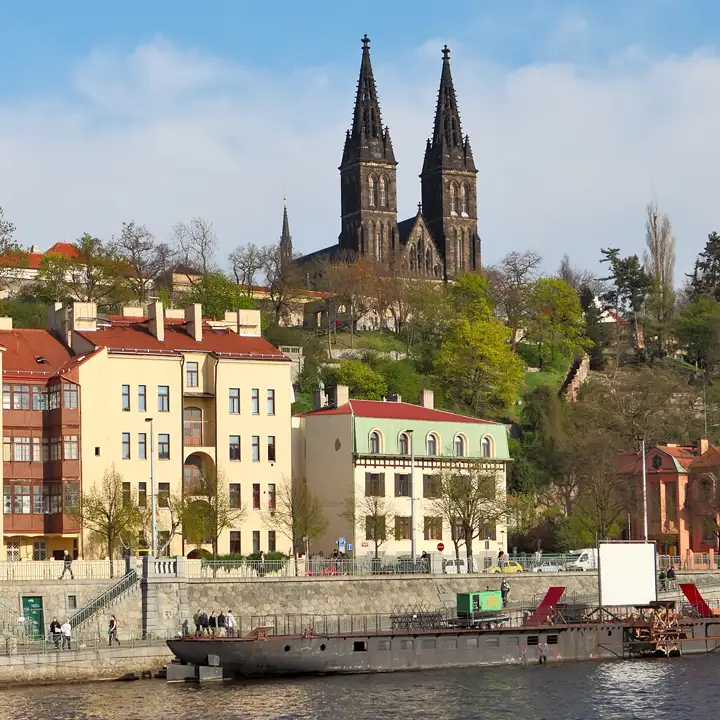
The castle of Vyšehrad was the seat of Bohemia's kings from the 11th to the 12th centuries. Due to its strategic position on a hill overlooking the Vltava River and Prague, it became an important army garrison in the 17th century, and it was transformed into a fortress with huge walls, gates, and ramparts. Walking along these ramparts will offer you wonderful views of the city and river. The interior of the fortress is now given over to a pleasant and quiet park which is a favorite of locals.

Wander in a graveyard where many prominent Czechs are buried, such as famed composers Dvořák & Smětana.
Show More
Enjoy stunning city views from atop the fortress walls.
Show More

Venture within the fortress's massive 17th-century walls and gates.
Show MoreWander in a graveyard where many prominent Czechs are buried, such as famed composers Dvořák & Smětana.
Show MoreEnjoy stunning city views from atop the fortress walls.
Show MoreVenture within the fortress's massive 17th-century walls and gates.
Show MoreDay 3
Prague to Salzburg
Day 4
Salzburg
Day 4
Salzburg
9:00 AM - 11:30 AM
Guided Walking Tour of Salzburg
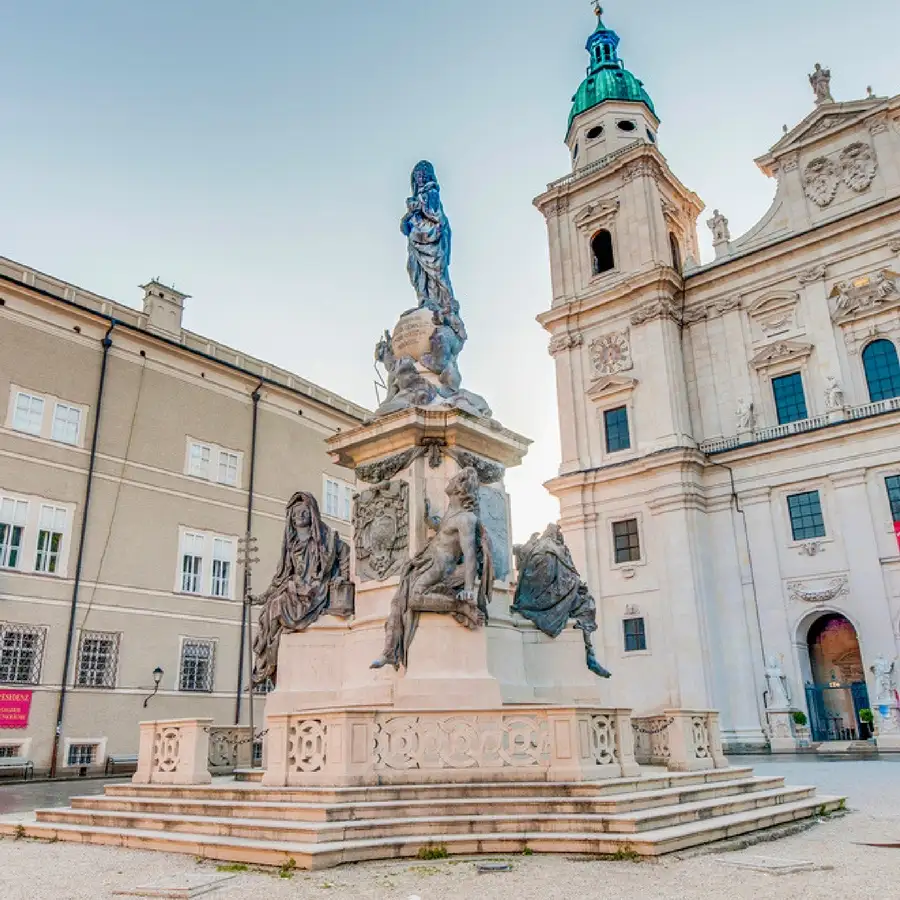
Salzburg is simply overwhelming in all the best ways. It is alive with fascinating history, grandiose and sublime architecture fills every street and square, culture and music permeate the atmosphere, and it is surrounded by breath-taking natural scenery. This guided tour with a local will provide the context needed to bring all of this beauty into perspective, and to connect the physical city to its history, culture, and environment.

One of several grand squares in the center of Altstadt in Salzburg.
Show More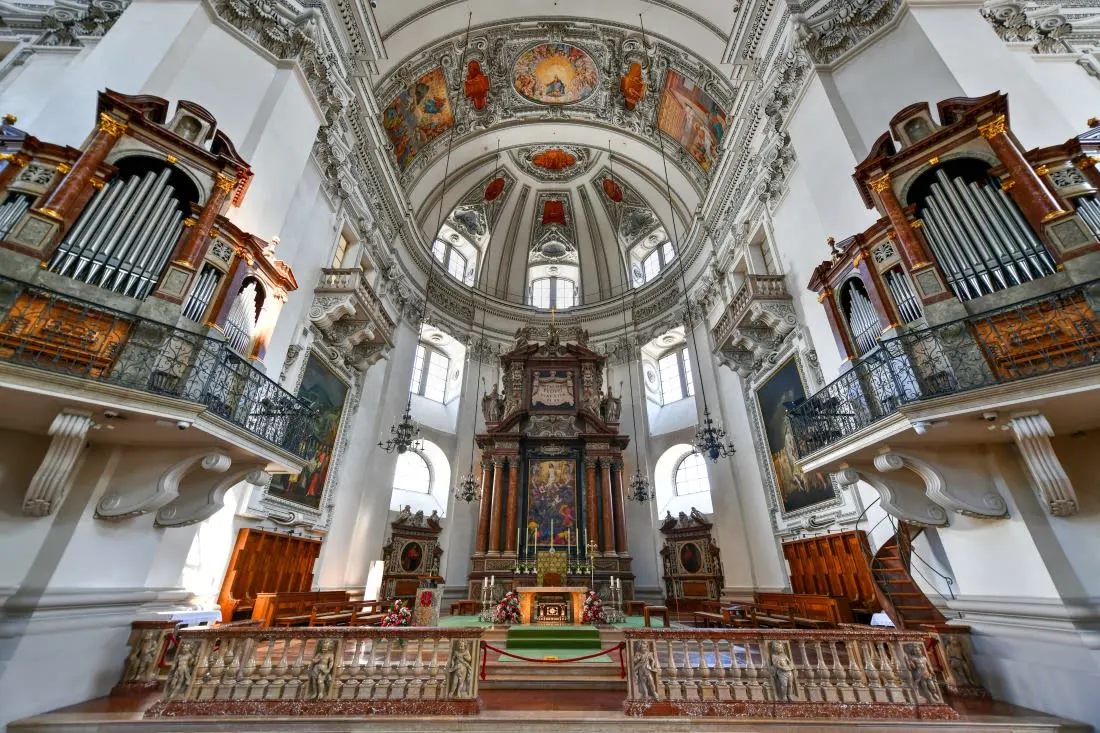
Step beneath Salzburg Cathedral’s immense dome to experience the monumental Baroque church at the heart of the city.
Show More
One of several grand squares in the center of Altstadt in Salzburg.
Show MoreStep beneath Salzburg Cathedral’s immense dome to experience the monumental Baroque church at the heart of the city.
Show MoreOne of several grand squares in the center of Altstadt in Salzburg.
Show MoreDay 4
Salzburg
Day 5
Salzburg to Vienna
Day 5
Salzburg to Vienna
Morning
Neustadt
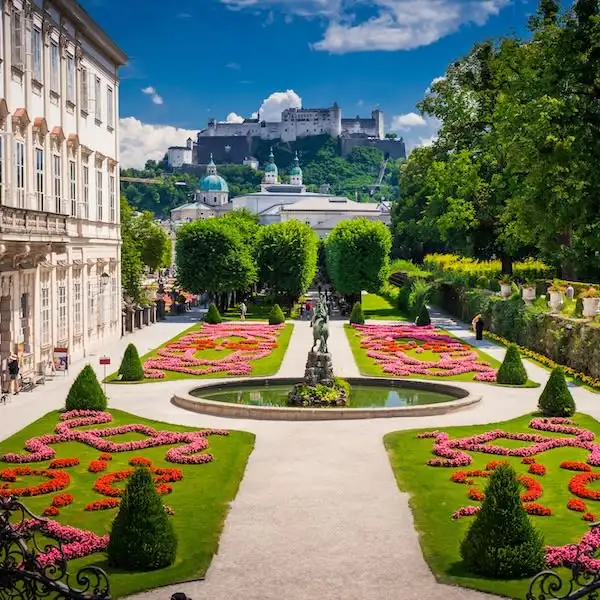
On the right bank of Salzach river lies the Neustadt (New Town). Although it may be just a bit newer than the Altstadt, it still boasts hundreds of years of history in it's winding and narrow Medieval lanes. The Mirabell Palace, a Baroque masterpiece built in 1606 by the Prince-Archbishop of Salzburg for his concubine, is the most famous site in the Neustadt. As impressive as the palace and its interior are, the elaborate gardens surrounding the palace are more famous than the palace itself.

Stroll this tranquil garden amidst the city hubbub and sing "Do-Re-Me" .
Show More
Hang out with locals on this pedestrian street lined by shopping and restaurants.
Show More
Stroll this tranquil garden amidst the city hubbub and sing "Do-Re-Me" .
Show MoreHang out with locals on this pedestrian street lined by shopping and restaurants.
Show MoreStroll this tranquil garden amidst the city hubbub and sing "Do-Re-Me" .
Show MoreDay 5
Salzburg to Vienna
Day 6
Vienna
Day 6
Vienna
9:00 AM - 11:30 AM
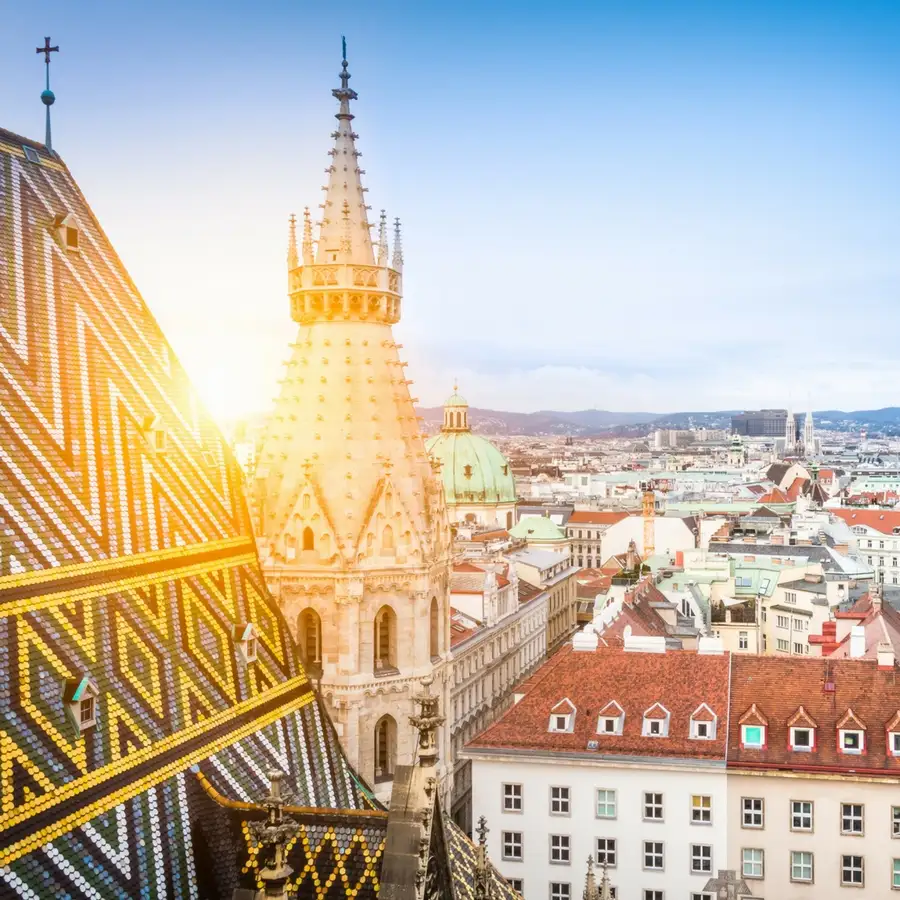
Guided Walk of the Inner City
This tour takes you back in history to explore the Vienna that stood within the old city walls. You will learn about the humble beginnings of Vienna before it became the capital of a great empire and one of the most important cities in Europe. You will discover how Vienna's early inhabitants lived and how they left their mark on the city and its beautiful Medieval, Renaissance, and Baroque architecture.

Day 6
Vienna

Day 7
Vienna to Budapest
Day 7
Vienna to Budapest
9:00 AM - 12:30 PM
Guided trip to Klosterneuburg
On this half-day guided excursion, you will visit the town of Klosterneuburg and its famous medieval monastery. Klosterneuburg has played an important role in Austria since the 11th century AD, and the town still retains its historic atmosphere, with narrow lanes and along town square lined by quaint old buildings. The town is most renowned, however, for its impressive monastery. It is an impressive complex of buildings that rises dramatically above the river and provides a wonderful view of the surrounding countryside.

Day 7
Vienna to Budapest
Day 8
Budapest
Day 8
Budapest

9:00 AM - 12:30 PM
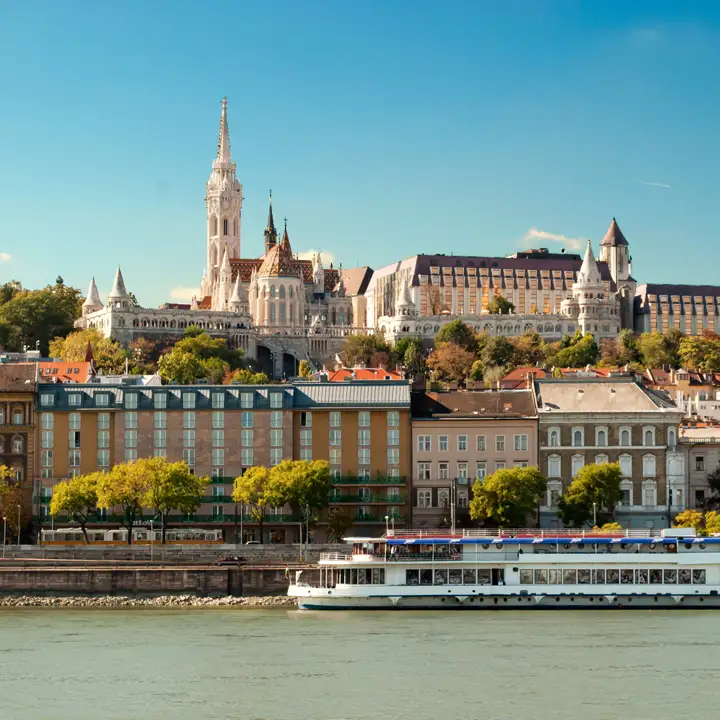
Guided Walk in Budapest
During your tour you will take in a gorgeous vista of the city from the Fisherman's Bastion, explore the winding streets of the Castle District, gaze in awe at the striking interior of St. Stephen's Basilica, travel along the city's most elegant avenue and more. Along the way you will experience the city as a local does, stopping to check out intimate courtyards, enjoying a pastry and soaking in the ambiance of Budapest's most elegant cafes.

Day 8
Budapest
Day 9
Budapest
Day 9
Budapest
Morning
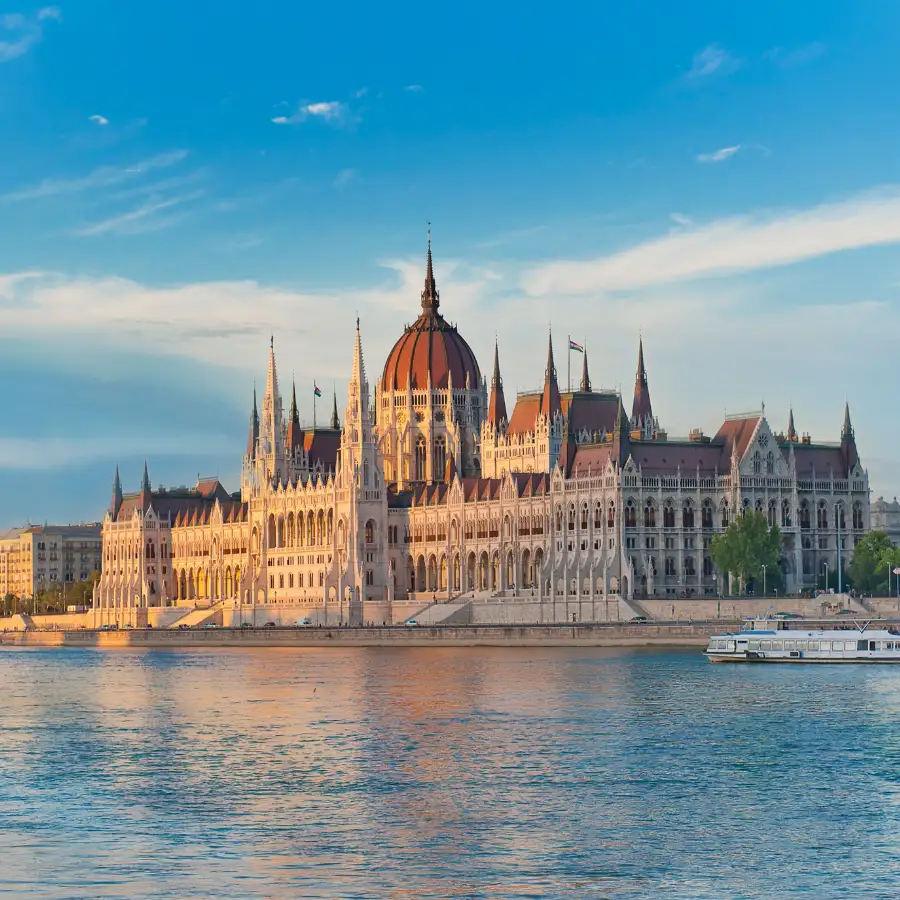
Hungarian Parliament & Nearby
The Hungarian Parliament building is a magnificent sight as it rises above the waters of the Danube, and the interior is also quite jaw-dropping. As a visitor, you may even feel a bit overwhelmed by the sumptuous décor and attention-to-detail. You could be forgiven for expecting a queen to arrive or an aristocratic ball to break out at any moment.

This building once housed the Hungarian Supreme Court and the Ethnographic museum. The museum is relocating to City Park and will open in 2022.
Show More
Reflect at a waterside sculpture of shoes memorializing the victims of fascism who died at this spot.
Show More
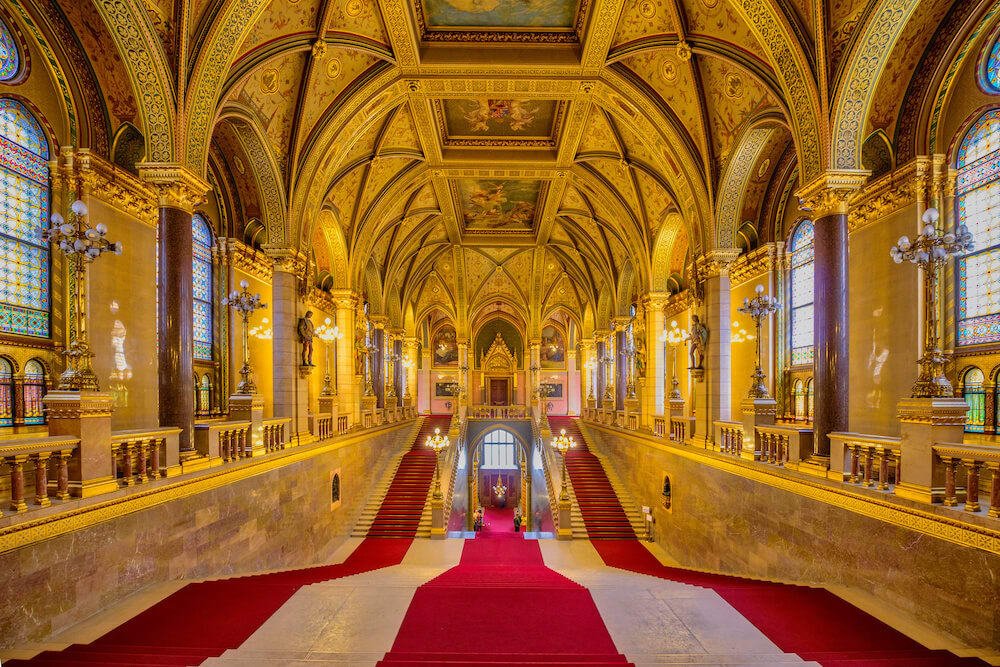
Tour this massive and stunning Gothic Revival–style edifice with a guide.
Show MoreThis building once housed the Hungarian Supreme Court and the Ethnographic museum. The museum is relocating to City Park and will open in 2022.
Show MoreReflect at a waterside sculpture of shoes memorializing the victims of fascism who died at this spot.
Show MoreTour this massive and stunning Gothic Revival–style edifice with a guide.
Show MoreDay 9
Budapest

Day 10
Depart Budapest
Day 10
Depart Budapest
To Be Determined
Taxi Transfer to Airport
Budapest has one main airport, Budapest Ferenc Liszt International Airport, where almost all visitors depart. Your hotel can arrange a reliable taxi (there is no Uber in Budapest). You can also arrange a private transfer. If you are picked up about two hours and forty-five minutes before your departure time, you should arrive at the airport with about two hours to spare, depending on traffic. If you are leaving during rush hour, you may want to budget an extra fifteen to thirty minutes.

Day 10
Depart Budapest
What's Included in the Imperial Capitals & Salzburg Trip?
Pre-Paid Tours and Activities:
- Prague Castle & Royal Route Guided Walk
- Guided Walking Tour of Salzburg
- Guided Walk through Vienna's Inner City
- Guided Excursion to the Historic Monastery Town of Klosterneuburg
- Best of Budapest: Half-Day Walking Tour of Highlights & Hidden Finds

Pre-Paid Transportation:
- 2nd Class Train Tickets from Prague - Linz
- 2nd Class Train Tickets from Linz to Salzburg
- 2nd Class Train Tickets from Salzburg to Vienna
- 2nd Class Train Tickets from Vienna to Budapest
- Public Transport Tickets for Vienna
- Private Transfer from the Budapest Rail Station

Accommodation:
- 2 nights at a hotel of your choice in Prague
- 2 nights at a hotel of your choice in Salzburg
- 2 nights at a hotel of your choice in Vienna
- 3 nights at a hotel of your choice in Budapest

Go Real Travel Mobile App:
- Itinerary Plan & Reservations Info
- Points of Interest
- Detailed Travel Information
- Maps & Directions
Other Trips You May Like

12 Days
A 12-Day Prague, Vienna, Budapest, and Bratislava Itinerary
12 Days
A 12-Day Prague, Vienna, Budapest, and Bratislava Itinerary
Reviews From Similar Trips
See what travelers who went to these destinations have to say.
Average traveler rating
Based on 357 traveler reviews
- Trustpilot (255)
- Facebook (53)
- Go Real Travel Reviews (49)
Went on a two week trip with this company! And cannot express how amazing it was! Safe comfortable, just enough freedom to do whatever we wanted, but also the safety of know they were with you the whole trip if you needed them. Will use them again! Highly recommended! Amazing! Shout out to Martin our beer guide in Prague!�
Taylour Paige
The hotels are excellent! The itinerary offers you a lot of free time to explore on your own. Customer service is extraordinary.
Daniel Sharkey
My wife and I (both mid 60's) just returned from a 2 week trip - Prague - Salzburg - Vienna - Budapest organized with Go Real Europe. Excellent in every respect. We discussed interests and preferences and built a plan with our Go Real Agent (Martin). He selected great hotels located within or close to top spots. We visited almost everything on foot. Everything close. Transportation between cities well explained and made easy....really easy. All ticketing provided in advance. Arranged pick-ups to drive us to and from train and bus stations. Private tours in each city by people with deep knowledge of history....great. Go Real's trip designed travel guide had great suggestions and detailed directions on how to get to each site. Best of all however was Go Reals support service. We had a few personal items that had to be worked around. Access to Go Real support was immediate and adjustments easily accommodated. Go Real gave us personal designed travel with all the support and ease of travel one could expect. Better than group tours......flexible, specific to your tastes and well supported.
Johanne White
I highly recommend Go Real Europe for anyone looking to avoid the logistical nightmare that is planning a mult-city, multi-country trip through central Europe. Martin planned a seamless and awesome trip for us through Munich, Salzburg, Cesky Krumlov, Prague, Vienna, and Budapest. The attention to detail was unparalleled, with meticulous directions to each spot and thorough background information. Our transportation was planned ahead of time in most cases, leaving us without the hassle of buying train and bus tickets. The tour guides we had in each city were above expectation, and thoroughly enhanced our appreciation of each city. We enjoyed a 21 mile bike ride through the Czech countryside, as well as cuisine tours in 3 cities. The hotels were all in great locations, and we felt perfectly safe and content in each one. All in all, our trip was spectacular, due in large part to how well planned it was by Go Real Europe. We look forward to using their services again in the future! It was a true pleasure.
Ashley Migliaro
My sister and I just returned from an amazing two week trip to Central Europe, thanks in large part to #Go Real Travel. What a terrific travel company!!! They listened to our ideas and mapped out a plan for us to visit Budapest, Vienna, and Prague. They made all of our hotel reservations, purchased train tickets, included all of our private transfers to and from the airports, trains and hotels, and included a private, English-speaking walking tour of each city. The hotels were lovely and within walking distance of the heart of each city. A breakfast buffet was included with each. The tour guides were well informed, friendly, gave us a good overview of each city and taught us how to use public transportation. All the drivers were very friendly and gave us mini-tours along the way. Our private itinerary was on an app that we followed with daily reminders. We found the staff to be very responsive and communication with them easy. All of the plans and connections went smoothly with no problems!!! I highly recommend Go Real Travel and will definitely use them again!!!
Nancy Pullen
What Travelers Say About Go Real Travel
Our latest reviews from across all trips on Trustpilot.


Featured Blogs

13 Most Happening Things to Do in Prague at Night

18 Cheap and Free Things to do in Prague
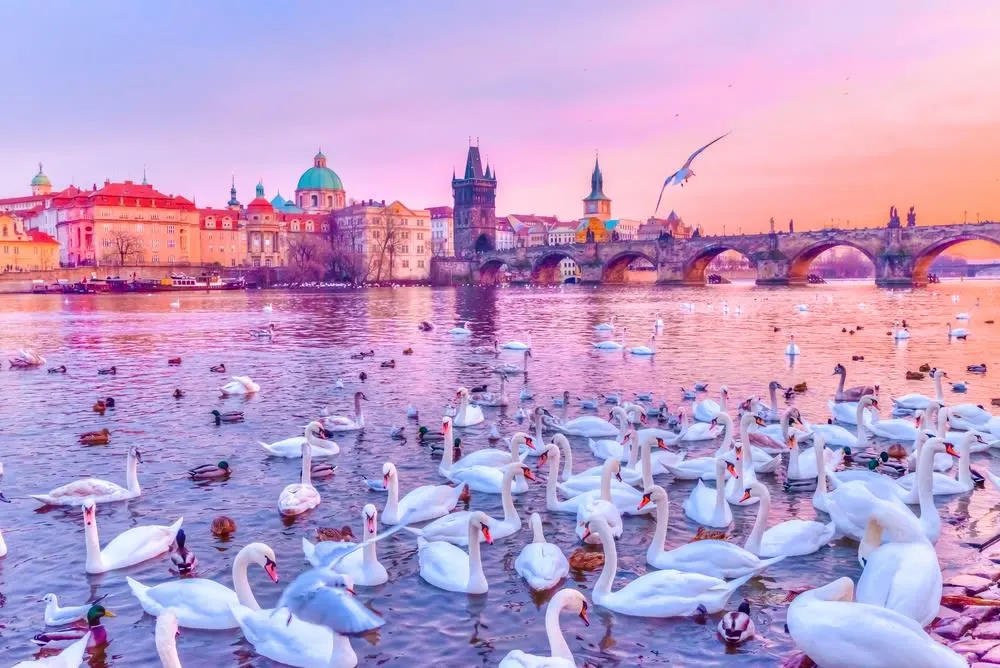

Why Visit Budapest? 8 Reasons To Go

10 European Cities to Visit in Winter

Flying Solo: The Best Places to Travel Alone in Europe

16 Most Romantic Destinations in Europe
13 Most Happening Things to Do in Prague at Night
18 Cheap and Free Things to do in Prague
Why Visit Budapest? 8 Reasons To Go
10 European Cities to Visit in Winter
Flying Solo: The Best Places to Travel Alone in Europe
16 Most Romantic Destinations in Europe
13 Most Happening Things to Do in Prague at Night
Explore cities in more detail
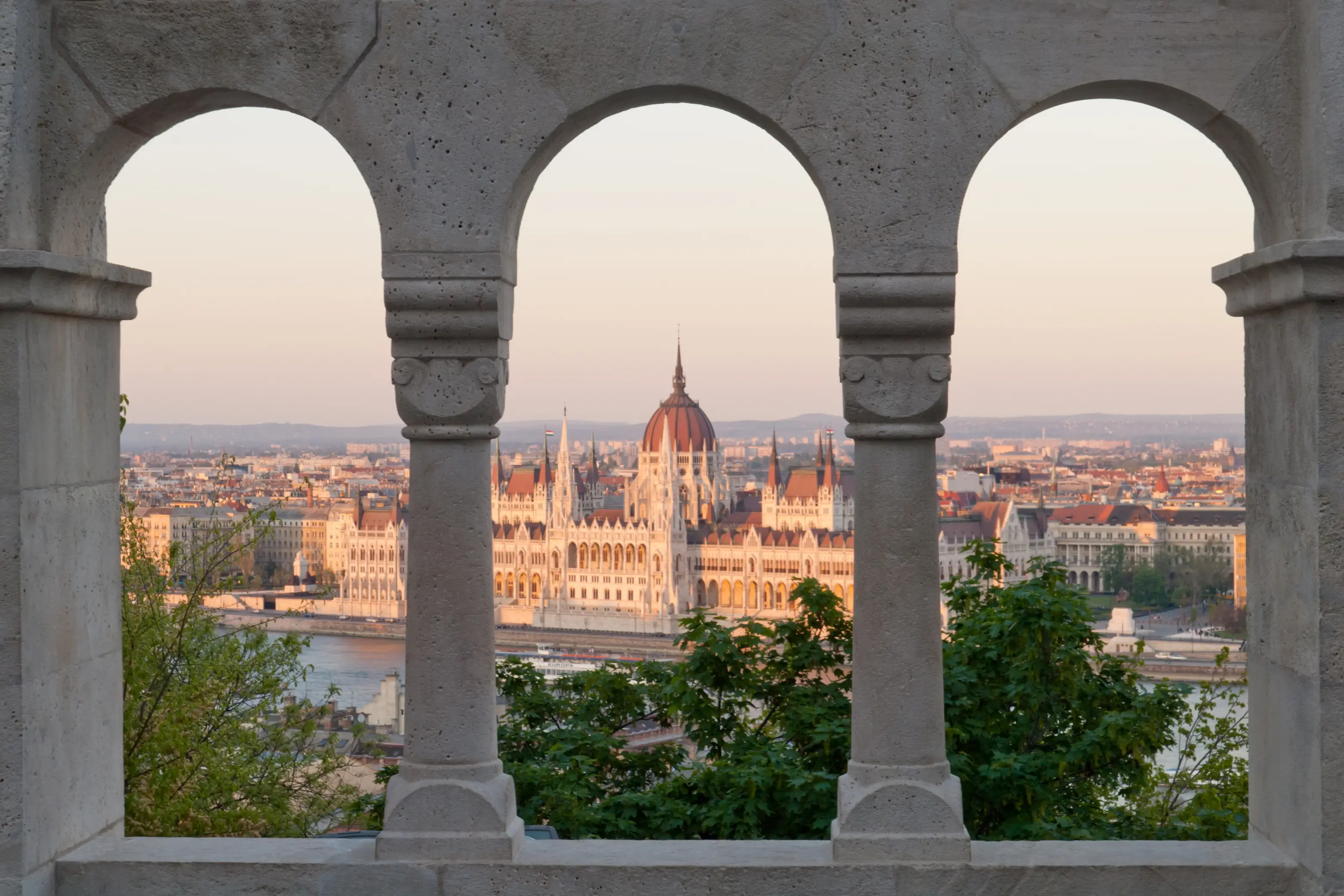
Budapest
Situated at the heart of Europe, Budapest is the capital of Hungary, appropriately named 'The Pearl of the Danube,' for its fixating and almost haunting beauty. Formerly two separate cities, Buda and Pest were forged into one by time, occupation, and the eight bridges that anchor them together today. From the Romans to the Communists, each occupier left its flavor profile in Budapest, evident in the famous spicy Hungarian stew known as 'goulash.' Budapest is a melting pot of history, culture, and taste, from the magnificent Baroque and neo-Gothic architecture to the Turkish thermal baths. After a long day of sightseeing, treat yourself to a glass of Tokaj, what King Louis XIV of France referred to as the "Wine of Kings, King of Wines". Budapest has a flavor to satisfy any taste.

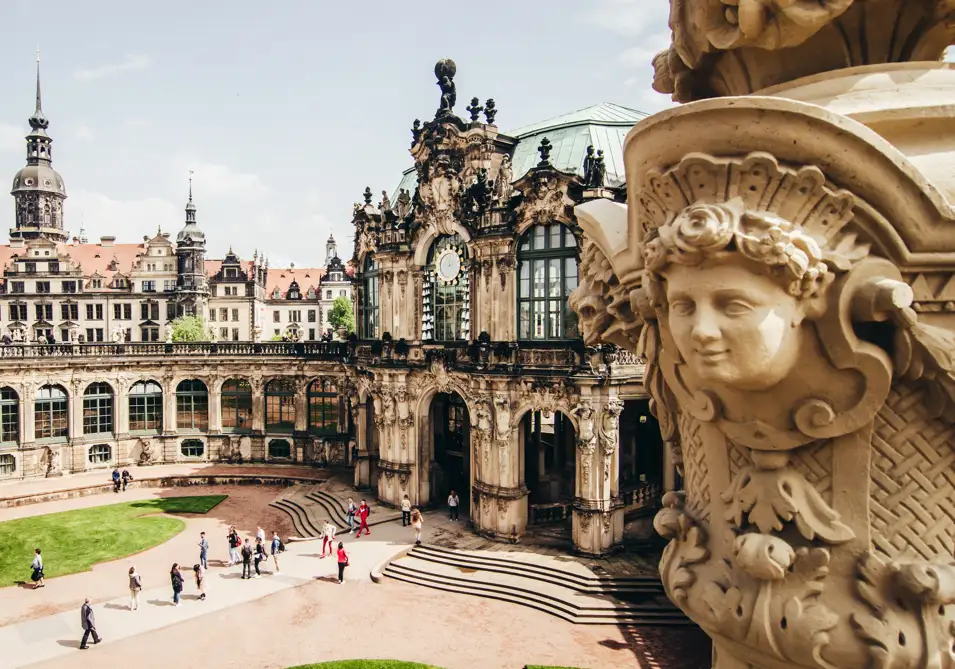
Dresden
Nearly every wall and rooftop in Dresden seems to be finished with a flourish. Defined by its ornamental baroque architecture, a power statement of Saxon royalty, Dresden is made all the more miraculous considering the city was leveled by firebombing in WWII. After the war, the city was reconstructed, brick by painstaking brick. Even under East German-Soviet rule, which usually eschewed frivolous design, buildings like the Semper Opera House were pieced back to their former glory. Restoration of the majestic Zwinger Palace and bell domed Church of Our Lady slowly followed, with the Frauenkirche only fully repaired in 2005. Arguably there is no other city in Europe that cherishes its hard-won architecture as much as Dresden. Although it is a compact city, so many of its buildings will stop you in your tracks that architecture fans will easily lose a whole day in the Old Town area. Especially during the winter months, Dresden sparkles with a joyous, uplifting ambiance. The city is recognized as having the best-ever Christmas market in all of Europe. Between the twinkling lights, the scent of hot wine and gingerbread, and the towering Christmas tree, it’s worth going out of your way to see Dresden at this time of year.
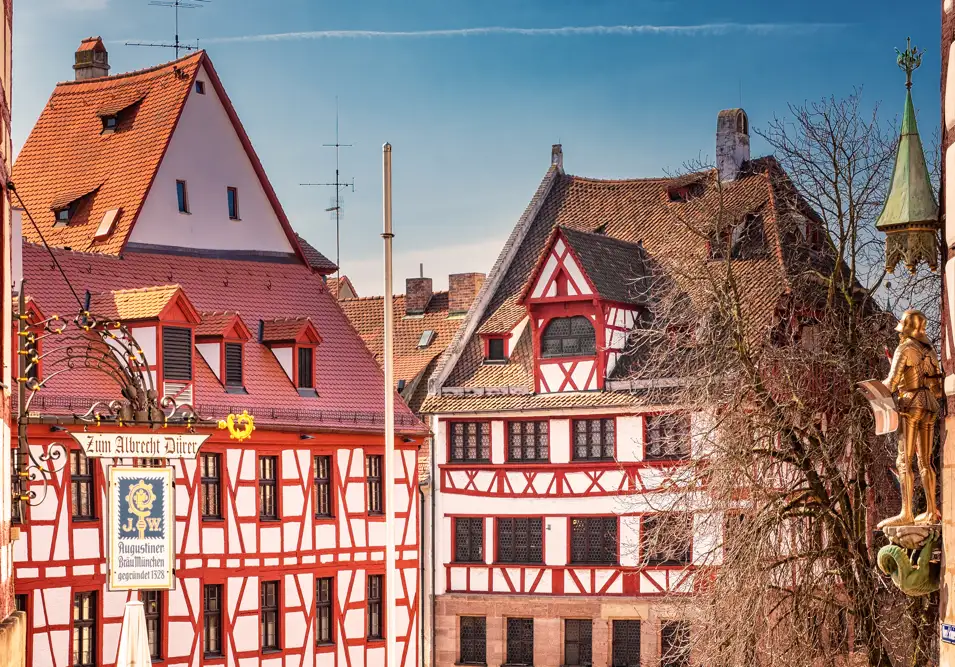
Nuremberg
One of the most authentic, storied German destinations, Nuremberg's picturesque old town, glorious castle, and buzzing Christmas Market makes this city a time-true classic. The ideal gateway to old Bavaria, Nuremberg offers a primer in German history before you embark on the lovely journey through old Bavaria, known as the Romantic Road. Considered the capital of the Holy Roman Empire in the middle ages, Nuremberg would have felt like the center of the world as a procession of kings and emperors passed through its magnificent gates. When the German Renaissance came, Nuremberg was at its heart. Albrecht Dürer, the great German master artist, was born here, and Martin Luther called Nuremberg Germany's 'eyes and ears'. Skip forward a few centuries, and the city took a dark turn, as Nuremberg became a gathering point for the German National Socialists. Slightly outside of town, you can still find the Nazi Party Rallying Grounds, a sobering reminder of the not so distant past. If it all gets too heavy, you can end the day with a glass of rotbier (red beer) and mull it over. Nuremberg is a must-see for anyone who wants to delve into Germany's past.
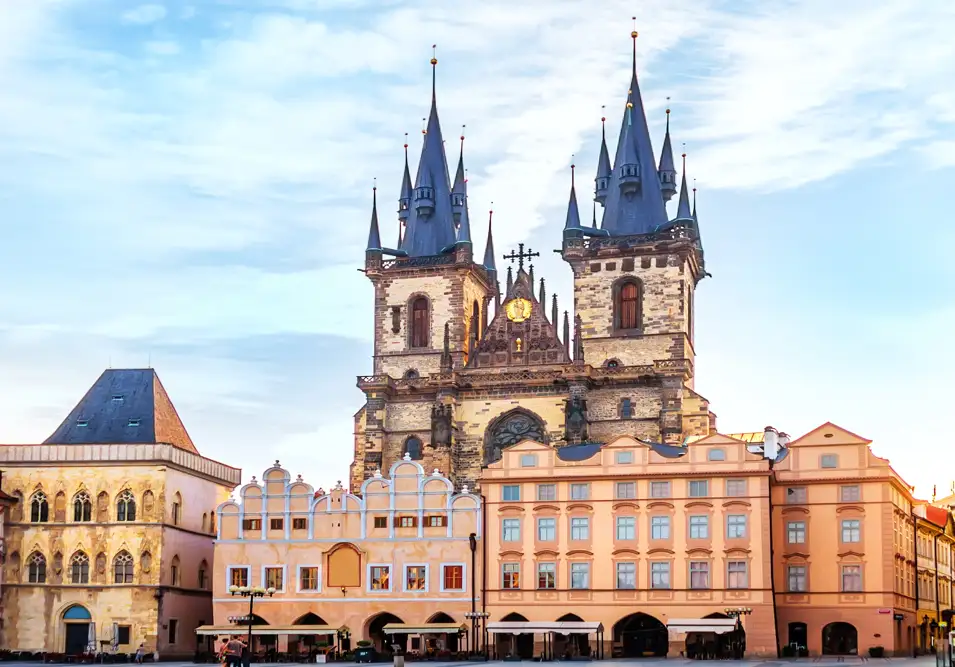
Prague
The city of Prague is indisputably the gem of Central Europe. Full of history, culture, and classic Czech pubs around every corner, Prague is teeming with nooks and crannies just waiting to be discovered. The narrow cobblestone streets and warm red rooftops give the city a homey feel, while the well-preserved medieval architecture transports you back in time. Walking across the Charles Bridge with the view of the Prague Castle will make you feel like you’re living in a fairytale, and you might as well be. As an up-and-coming destination, Prague is a perfect mix of classic and modern. New trendy cafes and bistros are always popping up, and you can always find a group of lively locals chowing down on goulash and quaffing pivo (the best beer in Europe!) at traditional Czech restaurants across the city. The clash of modernity and tradition, preservation and innovation, gives this city a mysterious air that you won’t soon forget.
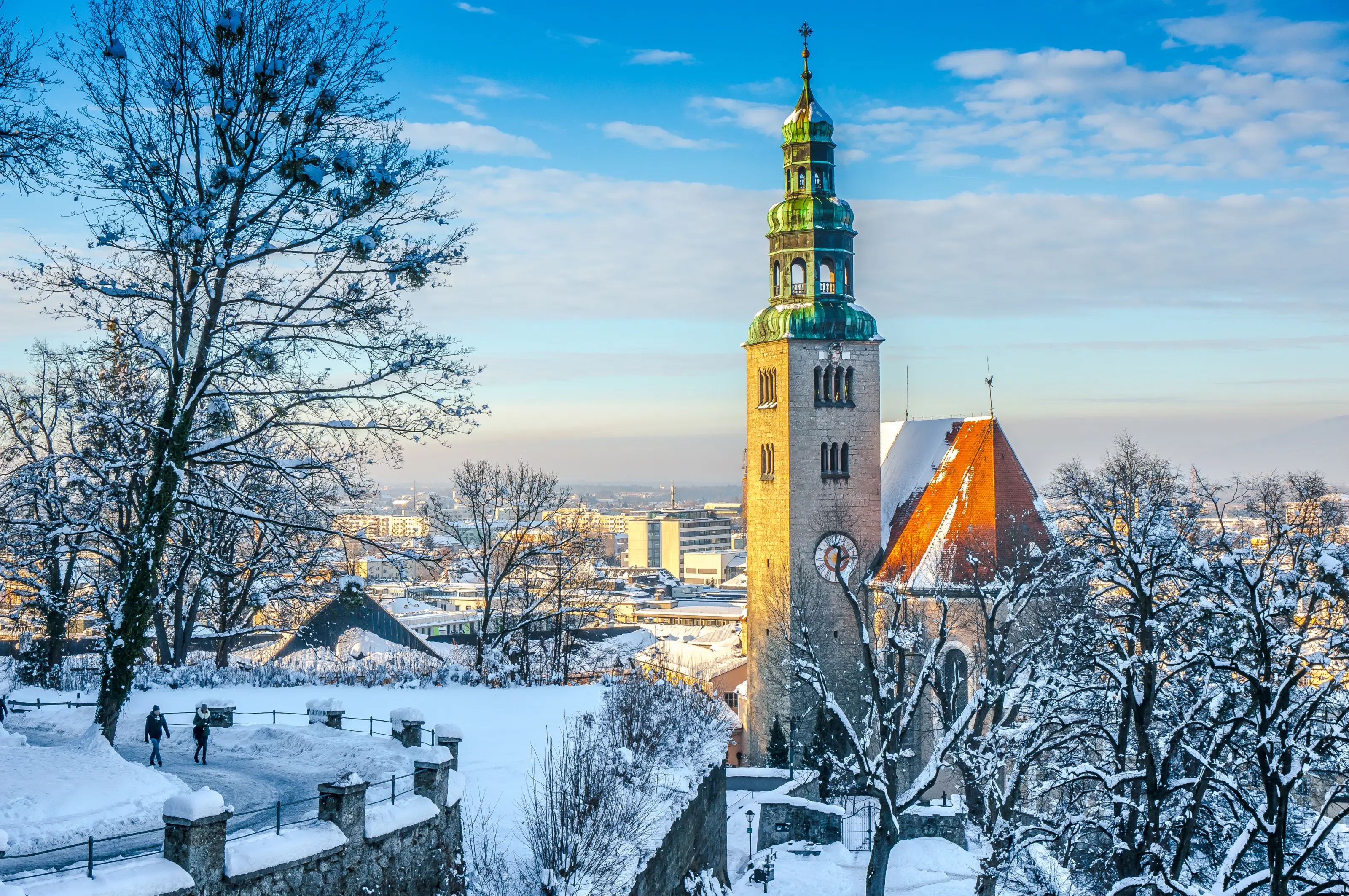
Salzburg
You've probably heard this before— the city of Salzburg is straight out of a fairytale. Nestled in the mountains, this romantic city's Baroque architecture with colorful domes and spires is especially striking against the ancient fortress and Austrian Alpine backdrop. If you're looking for an amazing view, climb up to Hohensalzburg Fortress, Central Europe's largest intact fortress, for a jaw-dropping panorama of the city backed by misty mountains. Perhaps most famous for being the birthplace of the renowned composer Wolfgang Amadeus Mozart and the filming location for the classic The Sound of Music, this city has much to offer. Salzburg has become an important artistic and cultural center, featuring magnificent concert halls that uphold the city's tradition of classical music every day of the year, as well as acclaimed art exhibitions and museums. If you do it right, your visit to Salzburg will immerse you in the city's unforgettable atmosphere and keep you coming back for more.
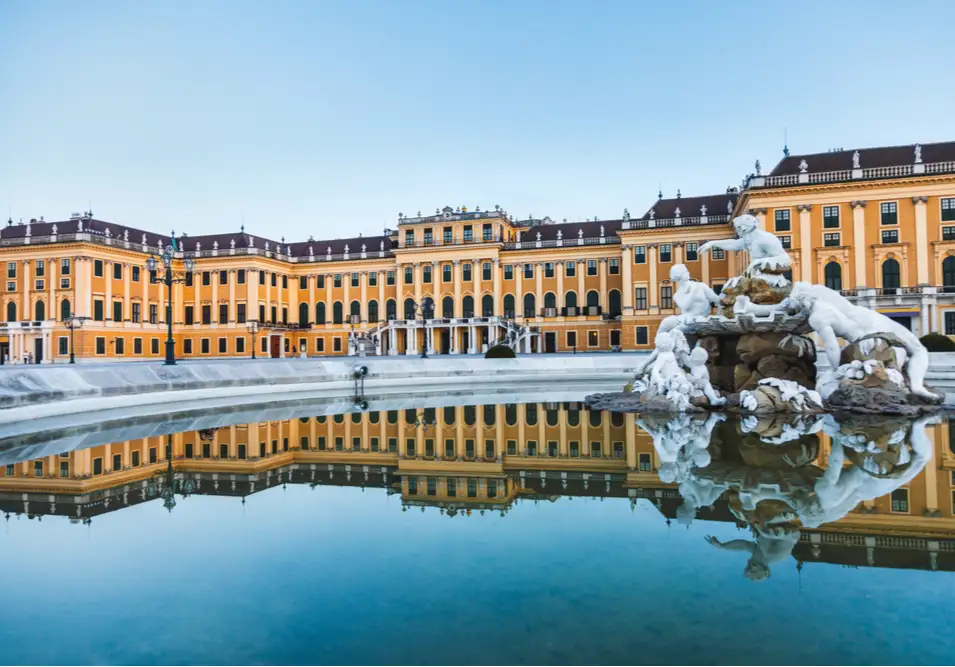
Vienna
Artistic and musical, historical and elegant, Vienna is the definition of class. The seat of the Habsburg monarchy for over six centuries, it's no wonder this city is still fit for royalty. Baroque buildings and imperial palaces dominate the cityscape, while locals stride gracefully through the streets, likely on their way to a classical music concert or art exhibition. Visitors from all over the world flock to Schonbrunn Palace, historical museums, and local eateries for authentic Viennese schnitzel. Vienna is also home to world-class wining and dining. Famous dishes include Wiener schnitzel, Tafelspitz (prime boiled beef), and apfelstrudel (apple strudel), all of which pair well with a glass of fine Austrian wine. No matter how long you spend in Vienna, you'll leave with a new appreciation for the finer things in life.
Budapest
Situated at the heart of Europe, Budapest is the capital of Hungary, appropriately named 'The Pearl of the Danube,' for its fixating and almost haunting beauty. Formerly two separate cities, Buda and Pest were forged into one by time, occupation, and the eight bridges that anchor them together today. From the Romans to the Communists, each occupier left its flavor profile in Budapest, evident in the famous spicy Hungarian stew known as 'goulash.' Budapest is a melting pot of history, culture, and taste, from the magnificent Baroque and neo-Gothic architecture to the Turkish thermal baths. After a long day of sightseeing, treat yourself to a glass of Tokaj, what King Louis XIV of France referred to as the "Wine of Kings, King of Wines". Budapest has a flavor to satisfy any taste.
Dresden
Nearly every wall and rooftop in Dresden seems to be finished with a flourish. Defined by its ornamental baroque architecture, a power statement of Saxon royalty, Dresden is made all the more miraculous considering the city was leveled by firebombing in WWII. After the war, the city was reconstructed, brick by painstaking brick. Even under East German-Soviet rule, which usually eschewed frivolous design, buildings like the Semper Opera House were pieced back to their former glory. Restoration of the majestic Zwinger Palace and bell domed Church of Our Lady slowly followed, with the Frauenkirche only fully repaired in 2005. Arguably there is no other city in Europe that cherishes its hard-won architecture as much as Dresden. Although it is a compact city, so many of its buildings will stop you in your tracks that architecture fans will easily lose a whole day in the Old Town area. Especially during the winter months, Dresden sparkles with a joyous, uplifting ambiance. The city is recognized as having the best-ever Christmas market in all of Europe. Between the twinkling lights, the scent of hot wine and gingerbread, and the towering Christmas tree, it’s worth going out of your way to see Dresden at this time of year.
Nuremberg
One of the most authentic, storied German destinations, Nuremberg's picturesque old town, glorious castle, and buzzing Christmas Market makes this city a time-true classic. The ideal gateway to old Bavaria, Nuremberg offers a primer in German history before you embark on the lovely journey through old Bavaria, known as the Romantic Road. Considered the capital of the Holy Roman Empire in the middle ages, Nuremberg would have felt like the center of the world as a procession of kings and emperors passed through its magnificent gates. When the German Renaissance came, Nuremberg was at its heart. Albrecht Dürer, the great German master artist, was born here, and Martin Luther called Nuremberg Germany's 'eyes and ears'. Skip forward a few centuries, and the city took a dark turn, as Nuremberg became a gathering point for the German National Socialists. Slightly outside of town, you can still find the Nazi Party Rallying Grounds, a sobering reminder of the not so distant past. If it all gets too heavy, you can end the day with a glass of rotbier (red beer) and mull it over. Nuremberg is a must-see for anyone who wants to delve into Germany's past.
Prague
The city of Prague is indisputably the gem of Central Europe. Full of history, culture, and classic Czech pubs around every corner, Prague is teeming with nooks and crannies just waiting to be discovered. The narrow cobblestone streets and warm red rooftops give the city a homey feel, while the well-preserved medieval architecture transports you back in time. Walking across the Charles Bridge with the view of the Prague Castle will make you feel like you’re living in a fairytale, and you might as well be. As an up-and-coming destination, Prague is a perfect mix of classic and modern. New trendy cafes and bistros are always popping up, and you can always find a group of lively locals chowing down on goulash and quaffing pivo (the best beer in Europe!) at traditional Czech restaurants across the city. The clash of modernity and tradition, preservation and innovation, gives this city a mysterious air that you won’t soon forget.
Salzburg
You've probably heard this before— the city of Salzburg is straight out of a fairytale. Nestled in the mountains, this romantic city's Baroque architecture with colorful domes and spires is especially striking against the ancient fortress and Austrian Alpine backdrop. If you're looking for an amazing view, climb up to Hohensalzburg Fortress, Central Europe's largest intact fortress, for a jaw-dropping panorama of the city backed by misty mountains. Perhaps most famous for being the birthplace of the renowned composer Wolfgang Amadeus Mozart and the filming location for the classic The Sound of Music, this city has much to offer. Salzburg has become an important artistic and cultural center, featuring magnificent concert halls that uphold the city's tradition of classical music every day of the year, as well as acclaimed art exhibitions and museums. If you do it right, your visit to Salzburg will immerse you in the city's unforgettable atmosphere and keep you coming back for more.
Vienna
Artistic and musical, historical and elegant, Vienna is the definition of class. The seat of the Habsburg monarchy for over six centuries, it's no wonder this city is still fit for royalty. Baroque buildings and imperial palaces dominate the cityscape, while locals stride gracefully through the streets, likely on their way to a classical music concert or art exhibition. Visitors from all over the world flock to Schonbrunn Palace, historical museums, and local eateries for authentic Viennese schnitzel. Vienna is also home to world-class wining and dining. Famous dishes include Wiener schnitzel, Tafelspitz (prime boiled beef), and apfelstrudel (apple strudel), all of which pair well with a glass of fine Austrian wine. No matter how long you spend in Vienna, you'll leave with a new appreciation for the finer things in life.

Hi! Need help planning your dream trip? 🌍
Go Real Travel Assistant
OnlineWelcome! Where are you in your journey?
Pick the option that fits you best so we can route you to the right help.