




Prague Travel Guide

Must See Attractions in Prague
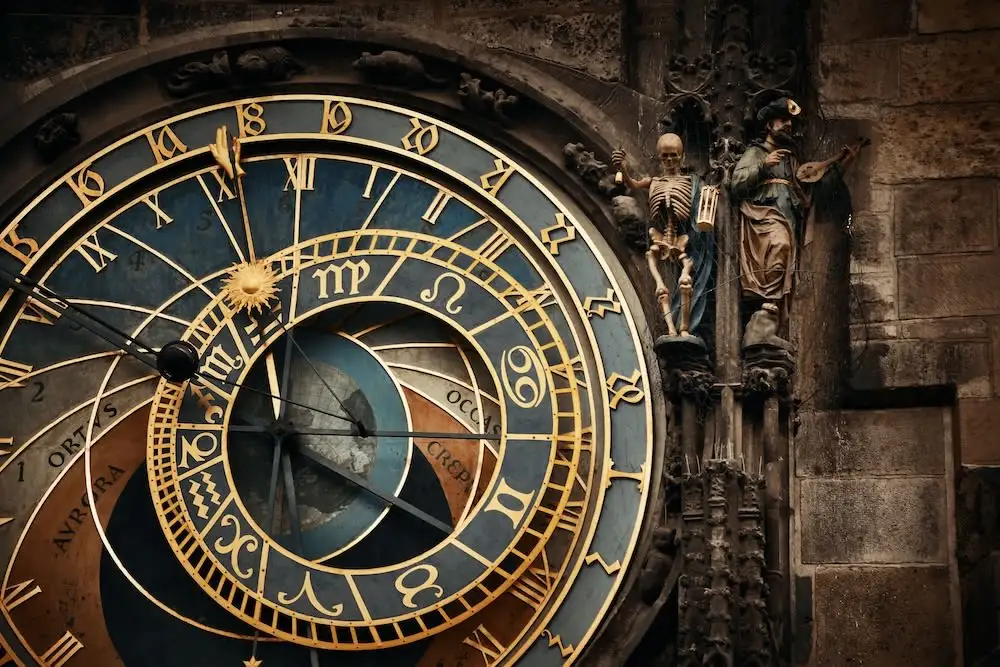
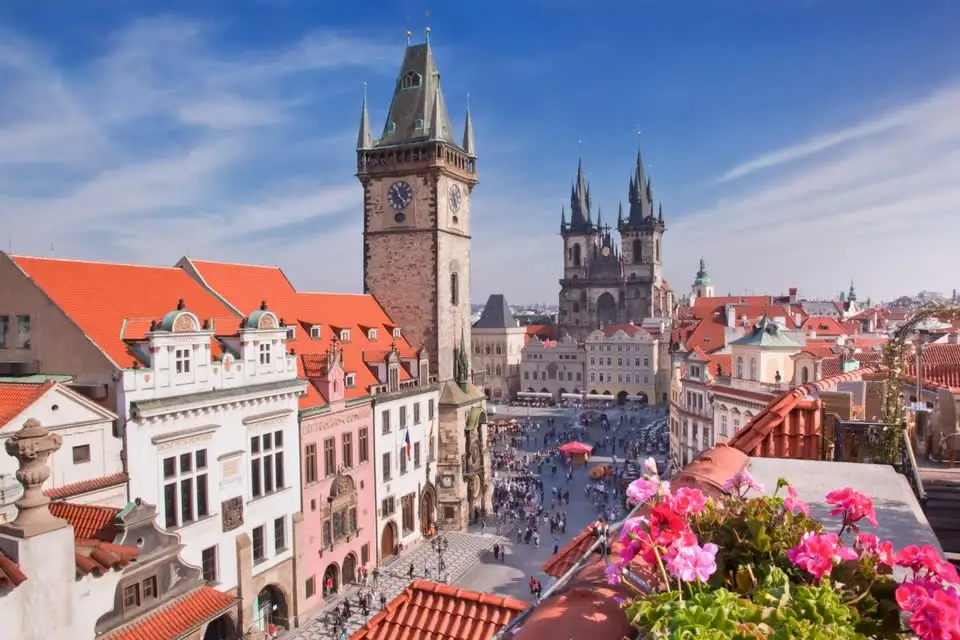
Situated in Old Town Square, on the south side of Old Town Hall, Prague's Astronomical Clock was installed in the year 1410, making it the oldest operational astronomical clock in the world. When the clock strikes each hour between 9 am and 11 pm, tourists crowd around the base of the clock to witness its famous show. On the hour, the skeleton (symbolic of death) will ring his bell and you'll catch a glimpse of the procession of the Twelve Apostles. Mechanical figures representing each of the Apostles can be seen in front of the windows above the clock. If you want to watch the procession from a different angle, as well as enjoy a spectacular view of Prague, you can buy a ticket into the Old Town Hall itself.
Read more

Prague Castle, built in the 9th century, was once the seat of ancient Bohemian kings and today serves as the office of the President of the Czech Republic. The castle complex itself is a UNESCO World Heritage Site and covers an area of about 70,000 square meters, making it the largest castle complex in the world. The Prague Castle complex includes historical buildings of various architectural styles, from the Gothic St. Vitus Cathedral to the Renaissance Rosenberg Palace. The history and beauty of the Prague Castle complex are awe-inspiring, as you'll see for yourself when you make your way through the buildings and down the Golden Lane. If you wish to learn more about the castle's history, buy an entry ticket to learn the Story of the Prague Castle and see the Picture Gallery. If you're looking for a view, climb up to the Great South Tower of the Cathedral.
Read more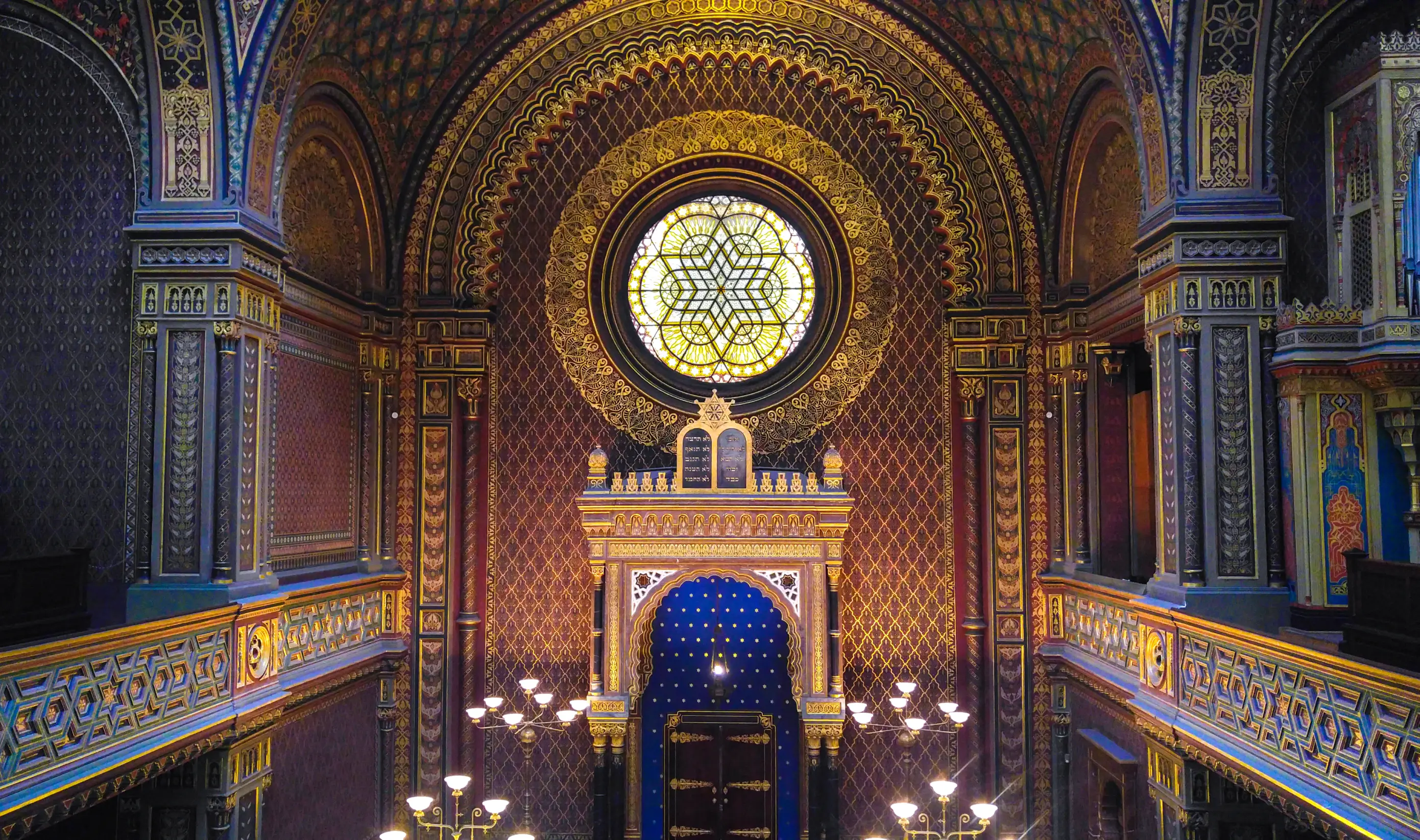
Located in Old Town, the Jewish Quarter, also known as Josefov, is a former Jewish Ghetto that dates back to the 13th century. This was a period when Jews from all over Prague faced oppressive laws, bloody massacres, and antisemitic expulsions, which forced them to relocate to this small area. Sadly, this persecution was repeated many times throughout the following centuries. It's a cruel irony that Josefov is only still intact after WWII because Hitler planned to establish a Museum of an Extinct Race in this area. Today, the Jewish Quarter is part of the Jewish Museum and home to six synagogues, the Jewish Ceremonial Hall, and the Old Jewish Cemetery. You can also visit the birthplace of Czech novelist Franz Kafka and see the statue that commemorates his life on Dusni Street. The Jewish community has played a significant role in shaping the city of Prague, and visiting the Jewish Quarter is the best way to learn about it.
Read more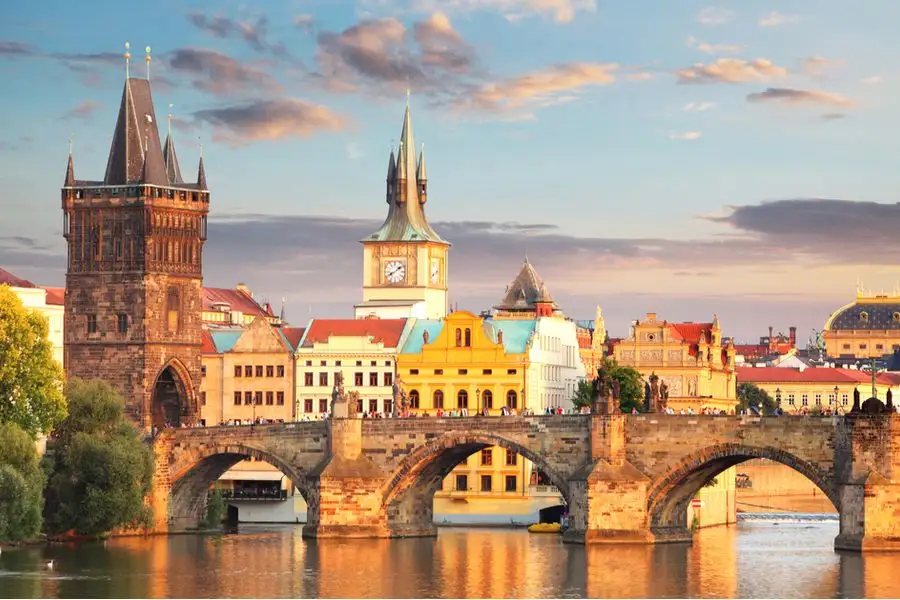
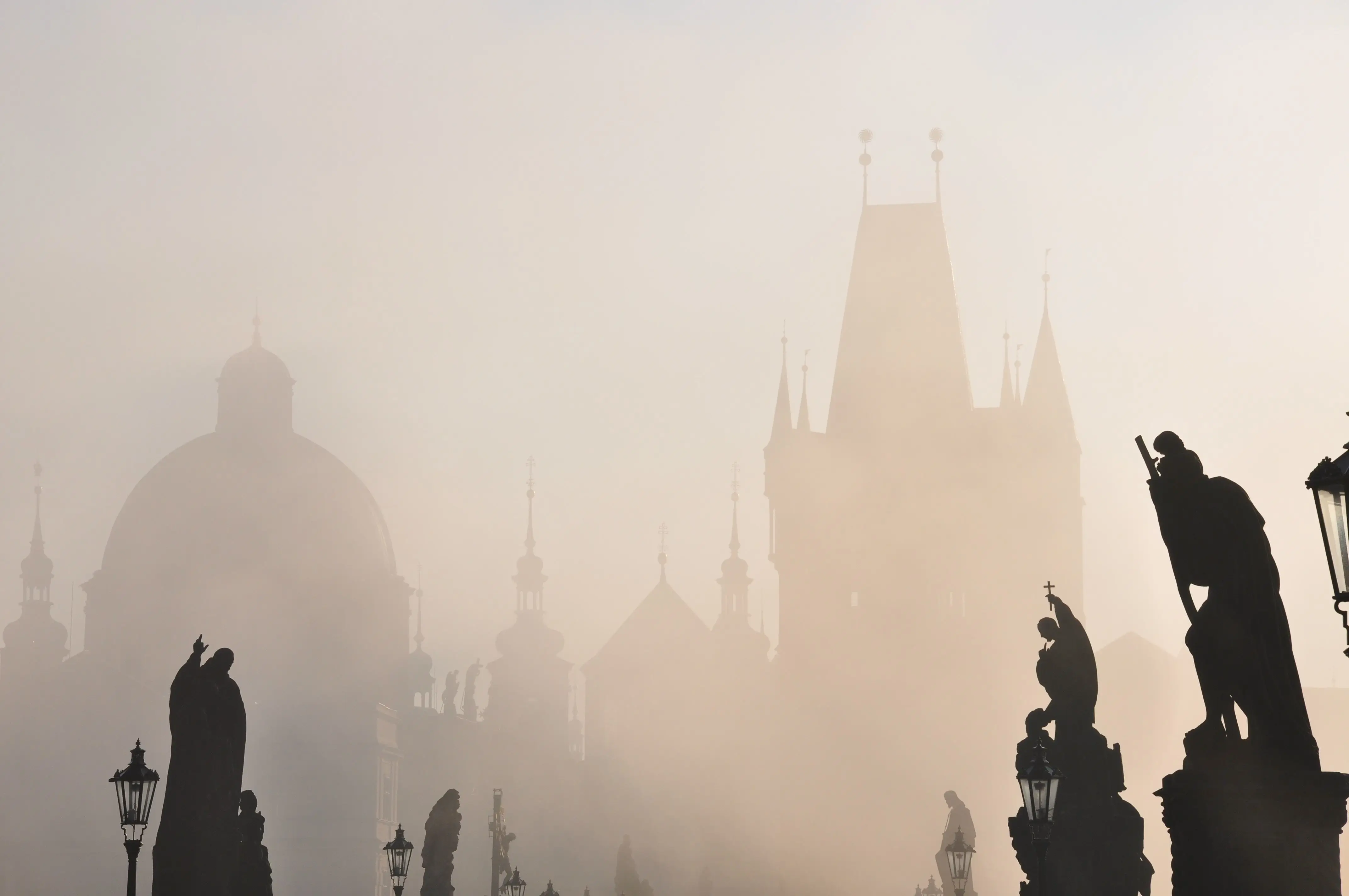
Connecting Old Town and Lesser Town, Charles Bridge is one of the most-visited sites in Prague. It's also the oldest bridge across the Vltava River. The construction of Charles Bridge started in 1357 under the reign of King Charles IV and was finished in the 15th century, while the statues decorating the sides of the bridge were added later. Today, Charles Bridge is packed with visitors, street performers, and vendors. Take your time walking across the bridge and enjoy the beautiful view of the Prague Castle or stop to enjoy the live music of the street performers. If you want to participate in one of the many legends about the mystical bridge, touch the gold on the base of the statue of St. John of Nepomuk, which is said to bring good luck.
Read more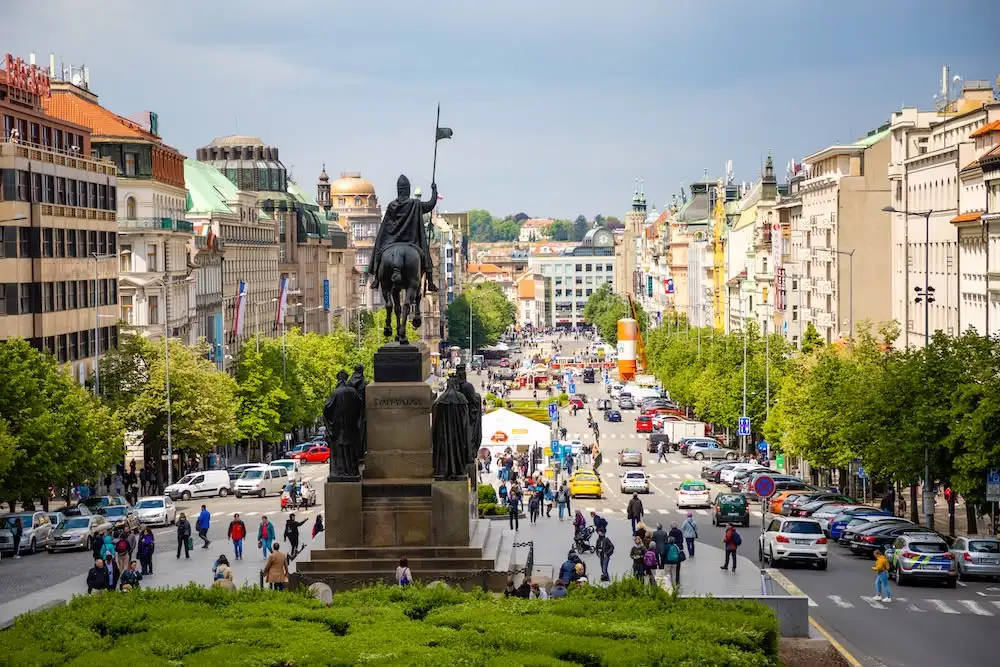
Wenceslas Square is Old Town Square's newer counterpart, although new may not be the right word. Established in 1348 by King Charles IV, Wenceslas Square is now a commercial hub crowned by the National Museum as well as the sculpture of St. Wenceslas at the top of the square. Wenceslas Square is one of the most beautiful places in Prague, regardless of which season you decide to visit. Decorated with Christmas lights during the winter and lined by beautiful flowers and greenery in the summer, it's always a pleasure to walk the length of the square and pop in and out of the surrounding shops and cafes. You can also visit the newly-renovated National Museum to learn more about the city's history.
Read more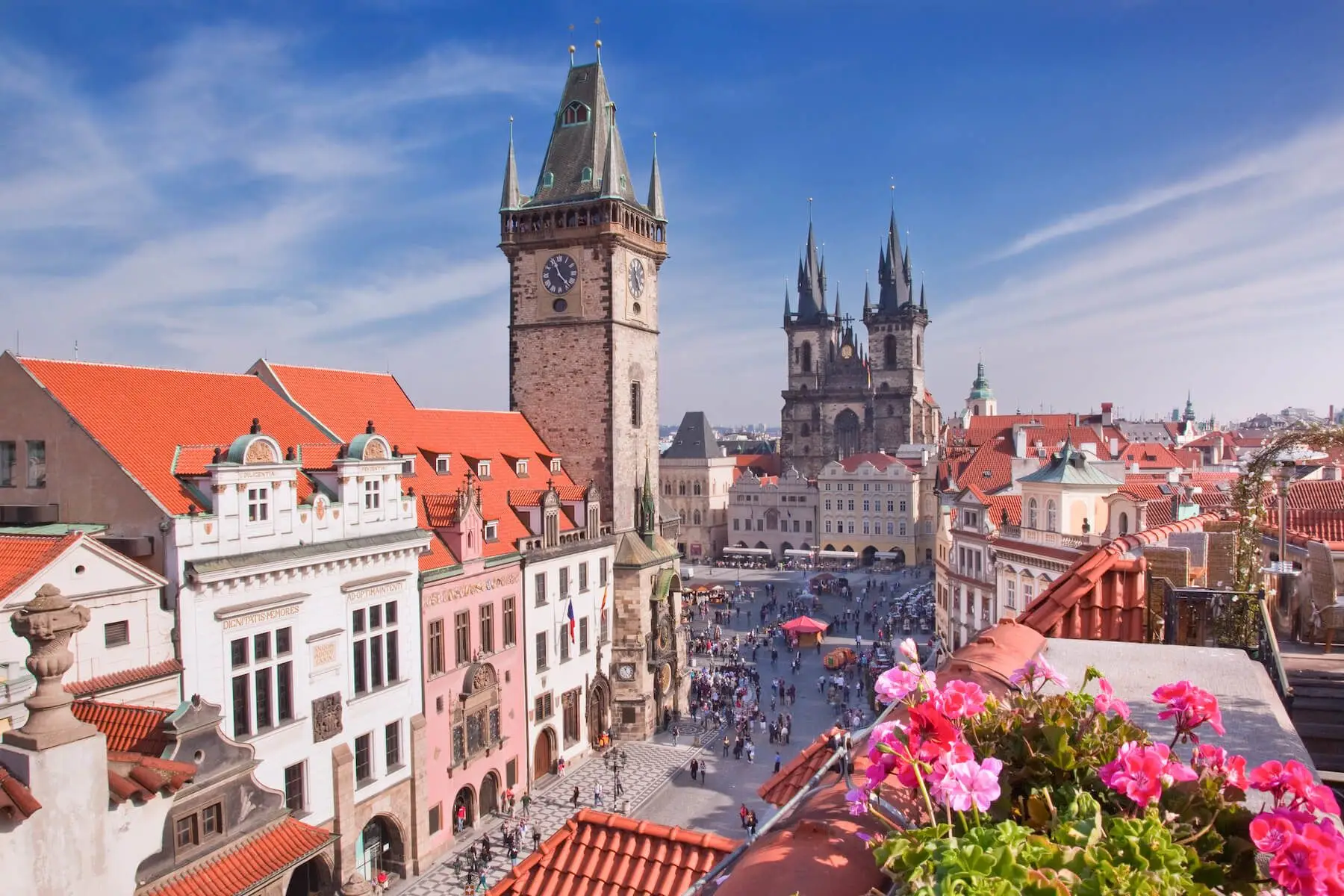
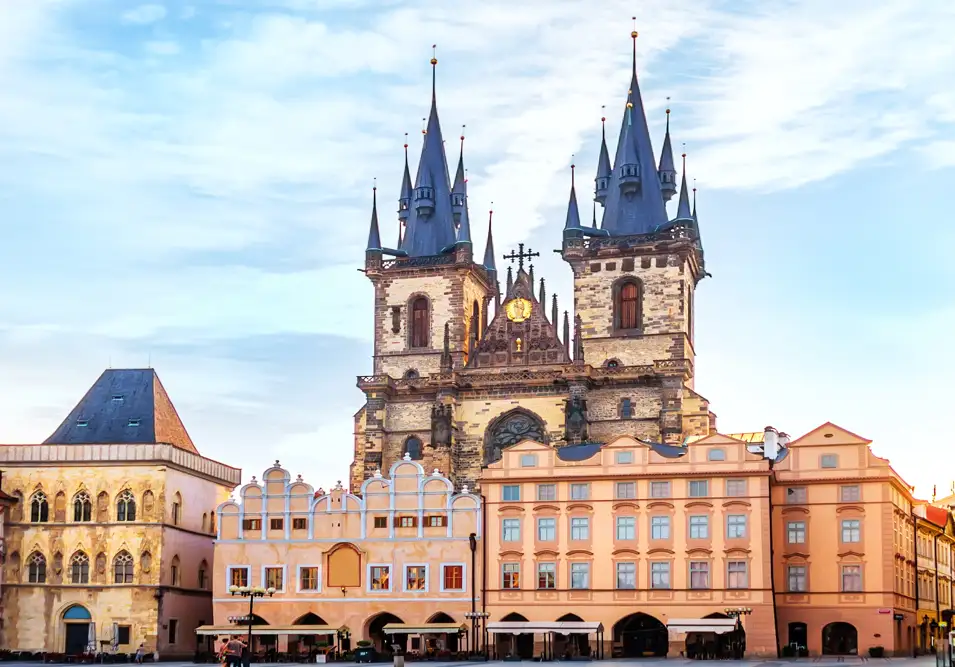
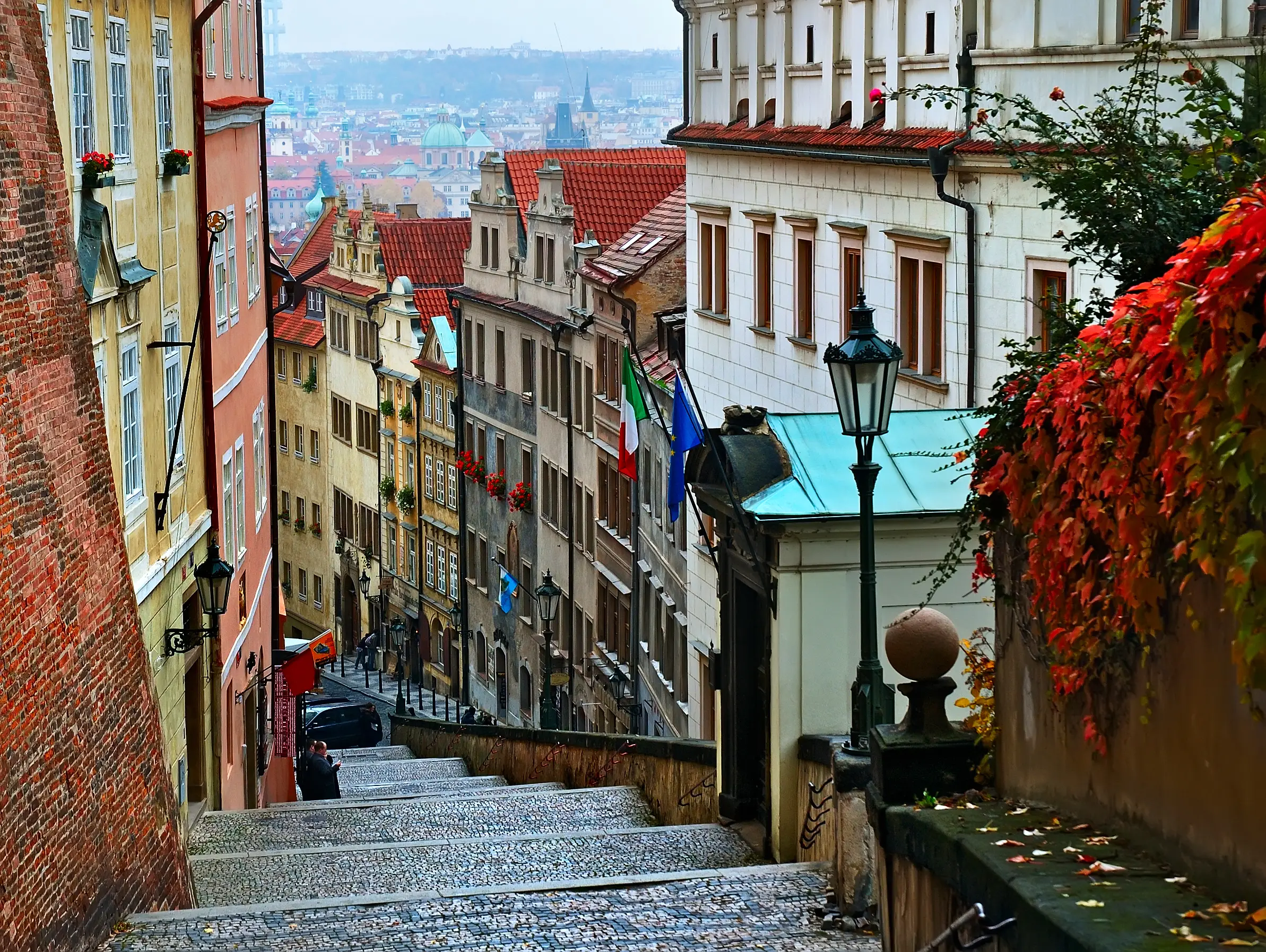
The heart of Prague, Old Town, is a historic district that stretches from the banks of the Vltava all the way to New Town's Wenceslas Square. Walking through Old Town feels like traveling back in time. The maze of cobblestone streets and the medieval Gothic architecture serve as reminders of the history that was made in Prague. The most notable part of Old Town is, of course, Old Town Square, formerly a significant marketplace for European trade routes dating back to the 10th century. The Old Town district houses some of Prague's most treasured architectural and cultural jewels, so there's no shortage of things to see here. Check out Old Town Square and the Astronomical Clock or the Gothic Church of Týn. Venture towards the Vltava and pay a visit to the Rudolfinum concert hall to take in a night of classical music. The Jewish Quarter, which now houses the Jewish Museum, is also located in Old Town. Or, just spend some time wandering around the oldest part of Prague and enjoying the magical atmosphere.
Read moreShow more
Optional Day Trips from Prague

Only a one-hour train ride from Prague, Karlstejn Castle is the main attraction of the quaint town of the same name, Karlstejn. Founded by Charles IV in 1348, the castle served as his private residence and was intended as a place of safekeeping for royal relics. Since Karlstejn castle's construction was finished in 1365, it has undergone several reconstructions and renovations to become the fortress it is today. During your visit to the castle, you can choose from several different guided tours. Take a walk through the historic interior of the castle and visit the private quarters of Charles IV complete with furnishings from the 14th-19th centuries, tour the sacred rooms along with the Chapel of the Holy Cross, or climb up to the top of the Great Tower for spectacular views. The castle is also home to the largest portrait gallery of Bohemian kings in the country, along with a replica of the royal crown of Bohemia.
Read more
Only about 30 miles north of Prague, the fortress town of Terezin has had a turbulent history. Originally a resort town for Czech nobility, it was converted into a Jewish ghetto and concentration camp by the Nazis during WWII. Over 150,000 Jews were sent to Terezin during the war, where they were held for months or sometimes years, before being deported to bigger camps like Auschwitz to be killed. Today the Terezin Memorial is a national cultural monument with several powerful exhibitions commemorating the victims of the horrors that took place there during the war. The Ghetto Museum, which is in the former municipal school building, pays homage to the victims through several permanent and temporary exhibits. You can also visit the crematorium and the small fortress or take a walk through the rest of the town.
Read more
Another quaint Czech town about an hour's train ride from Prague, Kutna Hora was once a silver mining town and the site of the royal mint in 1308. Surprisingly enough, it once rivaled Prague in importance to the region. Once the mines ran dry and the effect of the Thirty Years' War set in, Kutna Hora lost a lot of its wealth. However, it was still named a UNESCO World Heritage site in 1996. The most famous attraction is the Sedlec Ossuary, otherwise known as the Bone Church. From the outside, it looks like an ordinary chapel, but inside it's decorated with about 40,000 human skeletons - and yes, they're real. Step inside and prepare to marvel at the unique yet strangely beautiful bone arrangements. Also worth a visit is the Late Gothic Cathedral of St. Barbara and the Czech Museum of Silver, where you can learn more about the silver mines and life in Kutna Hora during its heyday.
Read more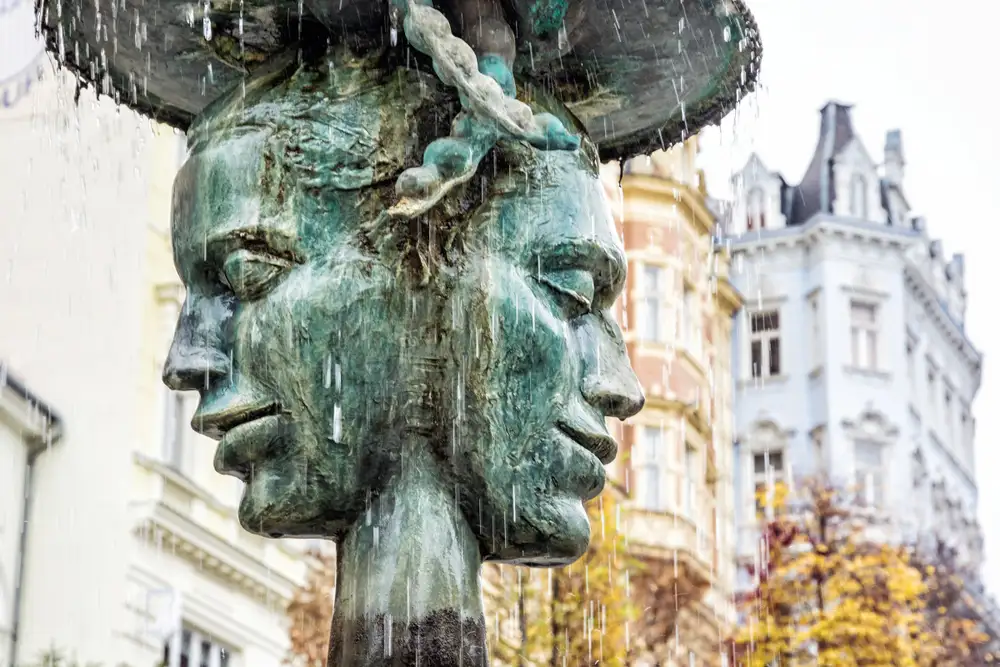
The picturesque town of Karlovy Vary is a couple of hours from Prague by bus or train. Famous for its natural spas and thermal springs, it has been a popular getaway for Czechs and foreigners alike since the 19th century. While it has only recently been touted as a tourist destination, the curative powers of the spa were discovered by King Charles IV, and he was the one who ordered that a town be built around this magical hot spring. During a visit to Karlovy Vary today, you'll be able to pamper yourself like never before. This charming little town offers any wellness service you desire at the many spa hotels, guest houses, and other wellness centers sprinkled throughout the city. The spa treatments incorporate natural mineral water, and you'll feel like a new person afterward. If you're not into spas and wellness, Karlovy Vary also holds many other cultural events for you to enjoy, such as the popular Karlovy Vary International Film Festival every July. No matter what kinds of activities you decide to do here, you'll come away with a new appreciation for Czech nature and culture.
Read more
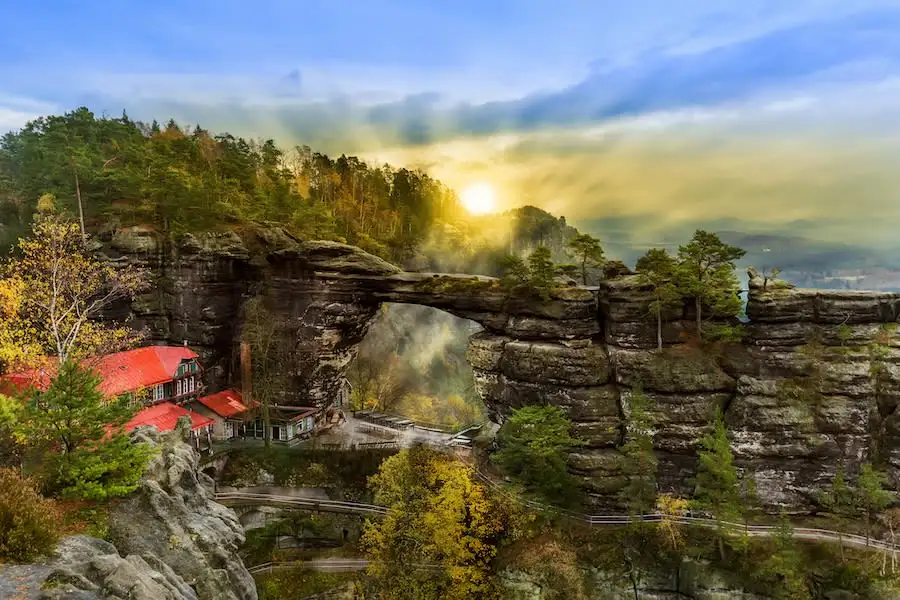
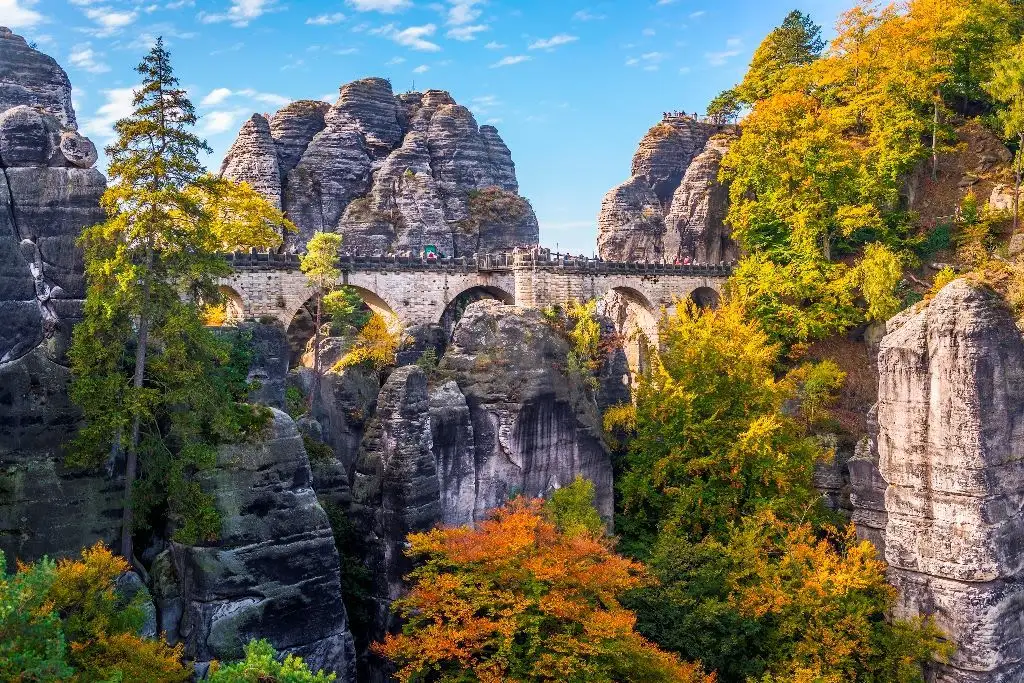
Bohemian Switzerland, also known as Czech Switzerland, is a hiker's paradise. But why is it called Bohemian Switzerland if it is not, in fact, in Switzerland? The park gets its name from two Swiss painters who used to paint the scenic mountains in the 18th century and proclaimed that the scenery reminded them of their hometown in Switzerland. Of course, the nature and the sandstone structures of the park are thousands of years old, while the area became protected in the 1970s, and the park itself was established in 2000. Today, the landscape of the park is as diverse as it is beautiful. From the pine forests and sandstone structures to the mystical gorges and towers, everywhere you look, you'll be astounded by the natural beauty. You can hike this giant park on your own or take a guided tour. Either way, you'll want to visit Pravcicka Brana, the largest sandstone arch in Europe, as well as the Elbe Canyon, the deepest sandstone canyon on the planet. Be sure to bring good walking shoes and your camera, as this is a place you'll want to remember.
Read more
Situated on the outskirts of Prague, Pruhonice Park was established in 1885 by Count Arnošt Emanuel Silva-Tarouca, who created and modeled the park based on his unique vision. Introducing many plant species and arranging them in beautiful and creative ways, he made this park one of the most important pieces of landscape architecture in the world. Today it is a UNESCO World Heritage Site and a Czech National Historic Landmark, home to 1600 species of both local and exotic plants. If you want a break from the city without having to travel far, this is the perfect excursion. The sound of babbling brooks and serene ponds will drown out the chaos of city life while you stroll through these peaceful gardens. You can also hire a tour guide if you're looking to expand your knowledge of the plant species in the park and botanical garden. Don't forget to stop and admire the Neo-Renaissance Pruhonice Castle, which is partially open to the public.
Read more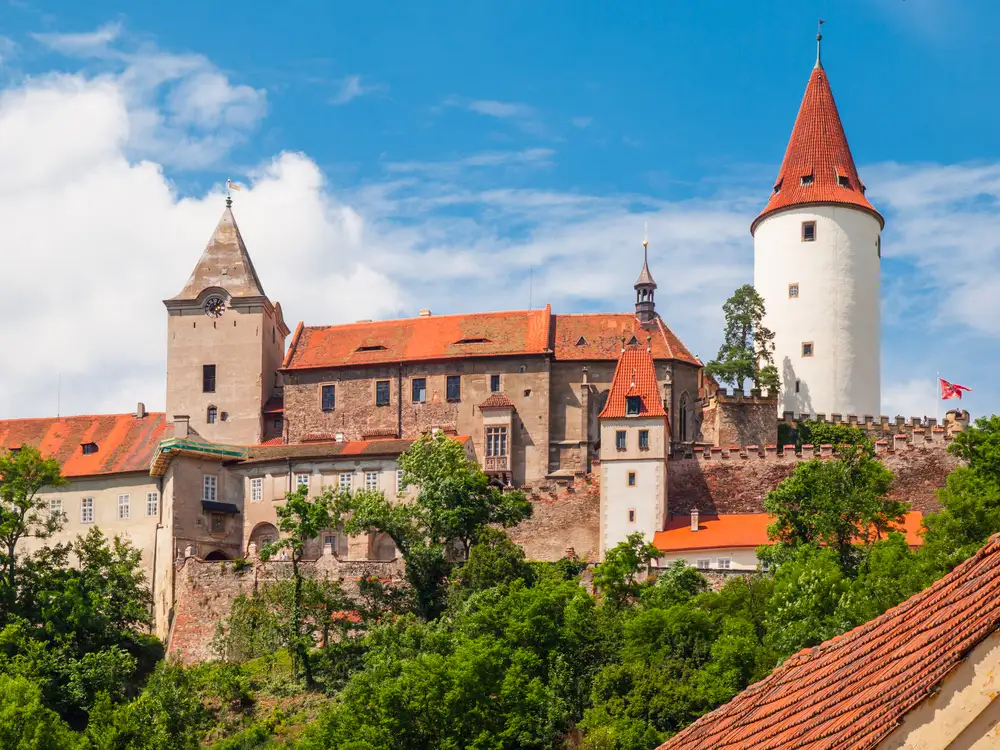
One of the most famous Gothic castles in the Czech Republic, Kriklovat Castle is just an hour outside of Prague. Perched at the top of a hill and surrounded by beautiful lush forests, this castle could be straight out of a fairytale. It was built during the 13th century as the seat for the ruling Premyslid family, and is one of the oldest residences of Czech rulers. A tour of this magnificent royal residence is sure to amaze. Literary enthusiasts will appreciate the Furstenberg library, which holds 52,000 books, while those with a morbid curiosity will find the dungeons and torture chambers fascinating. Of course, a visit to the castle wouldn't be complete without stopping by the Royal Hall or checking out the views from the Great Tower. Every year during the first week of August, the castle hosts craft fairs and a traditional woodcarvers' festival where you can browse through goods made by locals and watch the craftsmen at work.
Read more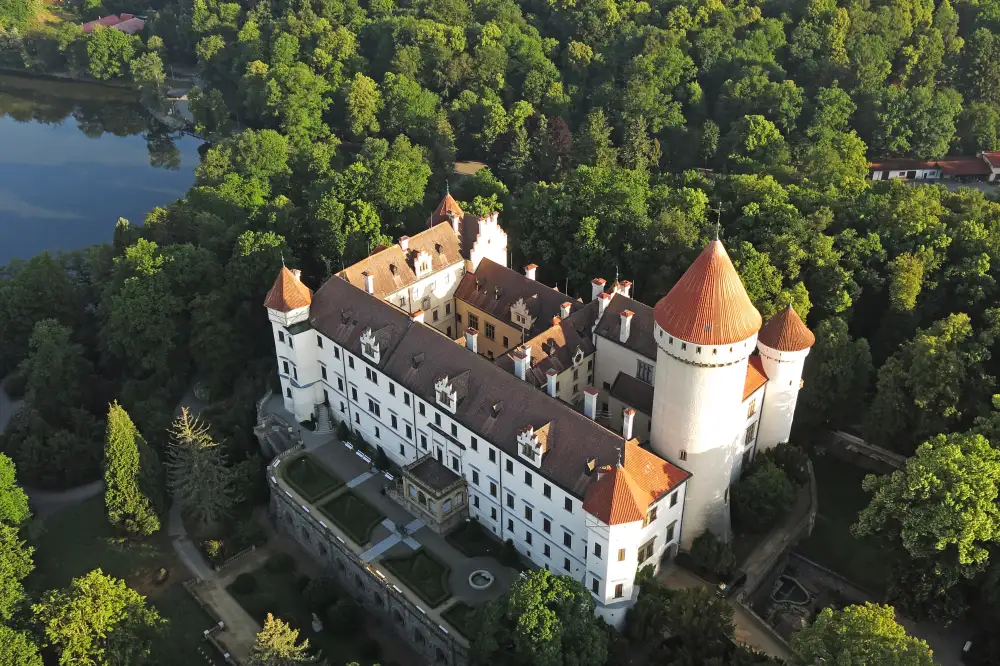
Less than an hour from Prague and established in 1294, Konopiště Chateau changed hands several times under different noble families. It's perhaps most famous for being the last residence of Archduke Franz Ferdinand before his assassination. After his death, it was passed on to his heirs and during WWII served as Nazi headquarters. Today it is owned by the Czech state and is partially open to the public. Lovers of history can visit the Chateau and see Franz Ferdinand's extensive collection of hunting weapons and trophies in the Este Armory — one of the largest armories in Europe. You can also admire an extended room holding more than 1000 portraits of St. George— a competitive spirit, Ferdinand hoped to win out over the portrait collection of the King of England. The antique furniture offers a peek at what life must have been like before WWI for Franz Ferdinand and his family. After touring the inside of the Chateau, venture out to the extensive gardens, including the Rose Gardens and greenhouses. Home to free-roaming birds and other animal species, these tranquil gardens are the perfect place to relax before heading back to the city.
Read moreShow more
Create a custom trip
plan for Prague


Travelling made easy:
- ✓ 100% customizable trip
- ✓ On-trip support, around the clock
- ✓ Local travel expertise
Trips Plans Including Prague


6 Days
10 Days


6 Days
10 Days
Featured Blogs



Your custom trip package includes

A day to day itinerary

Centrally located hotels

Door to door transportation
Self-guided & private tours
Create Your Perfect Trip in Minutes
Discover A Better Way To Travel.
Once you Go Real, you’ll never go back to ordinary travel.
Hi! Need help planning your dream trip? 🌍